
Last updated November 21, 2026
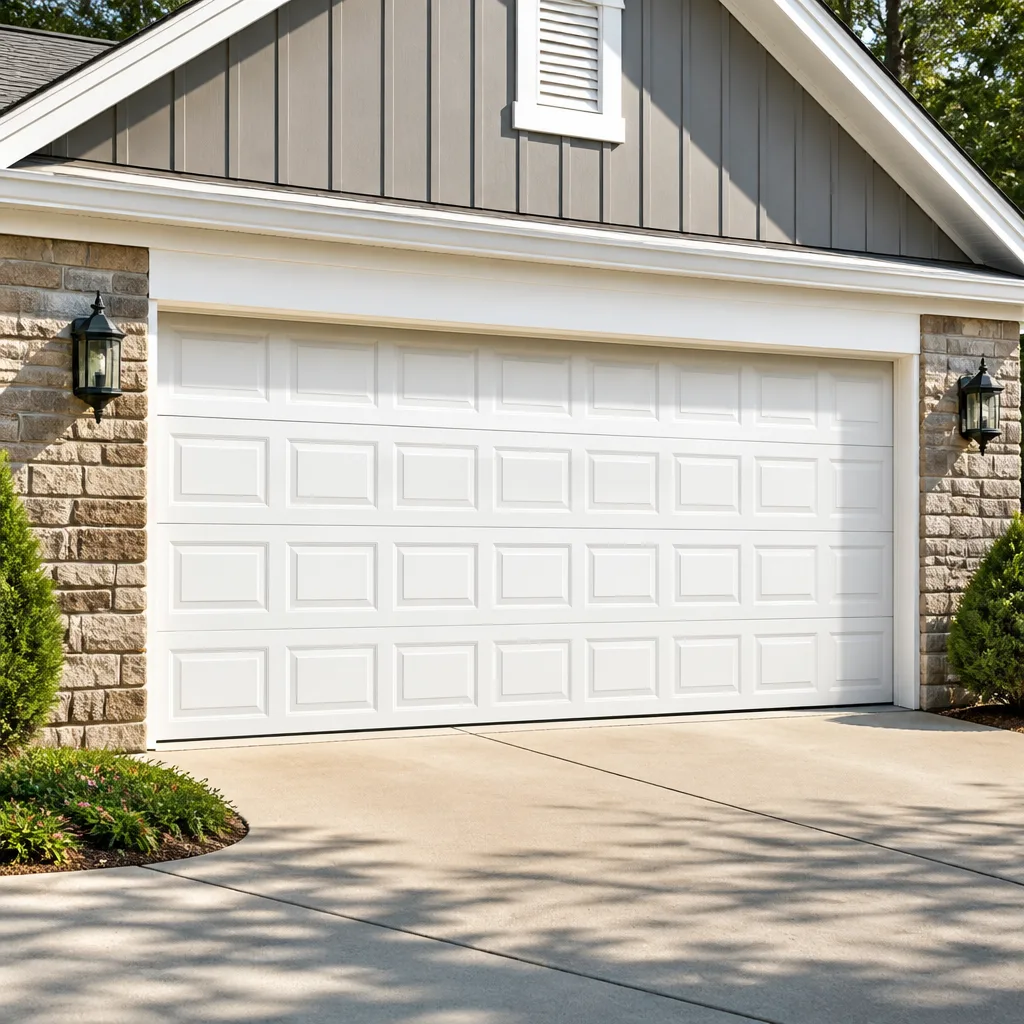 Raised-panel steel
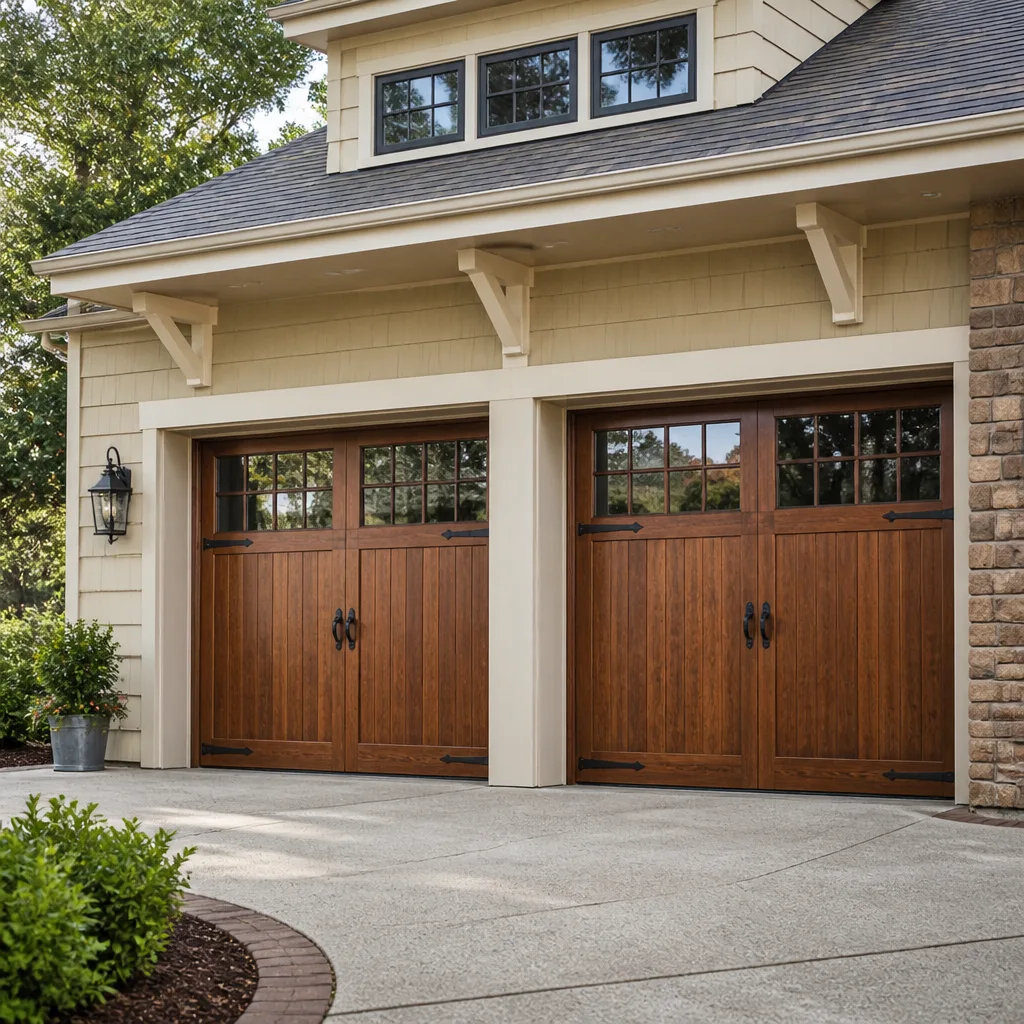 Carriage house
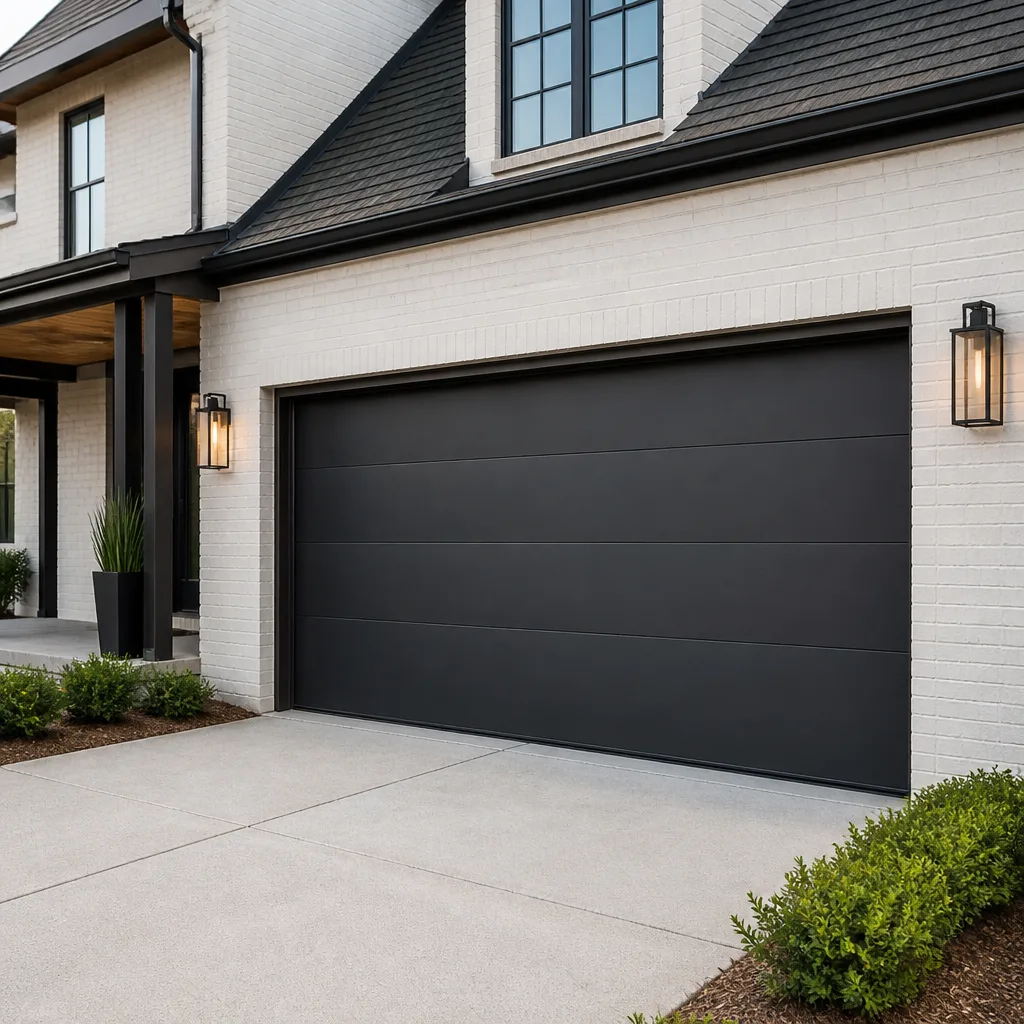 Modern flush
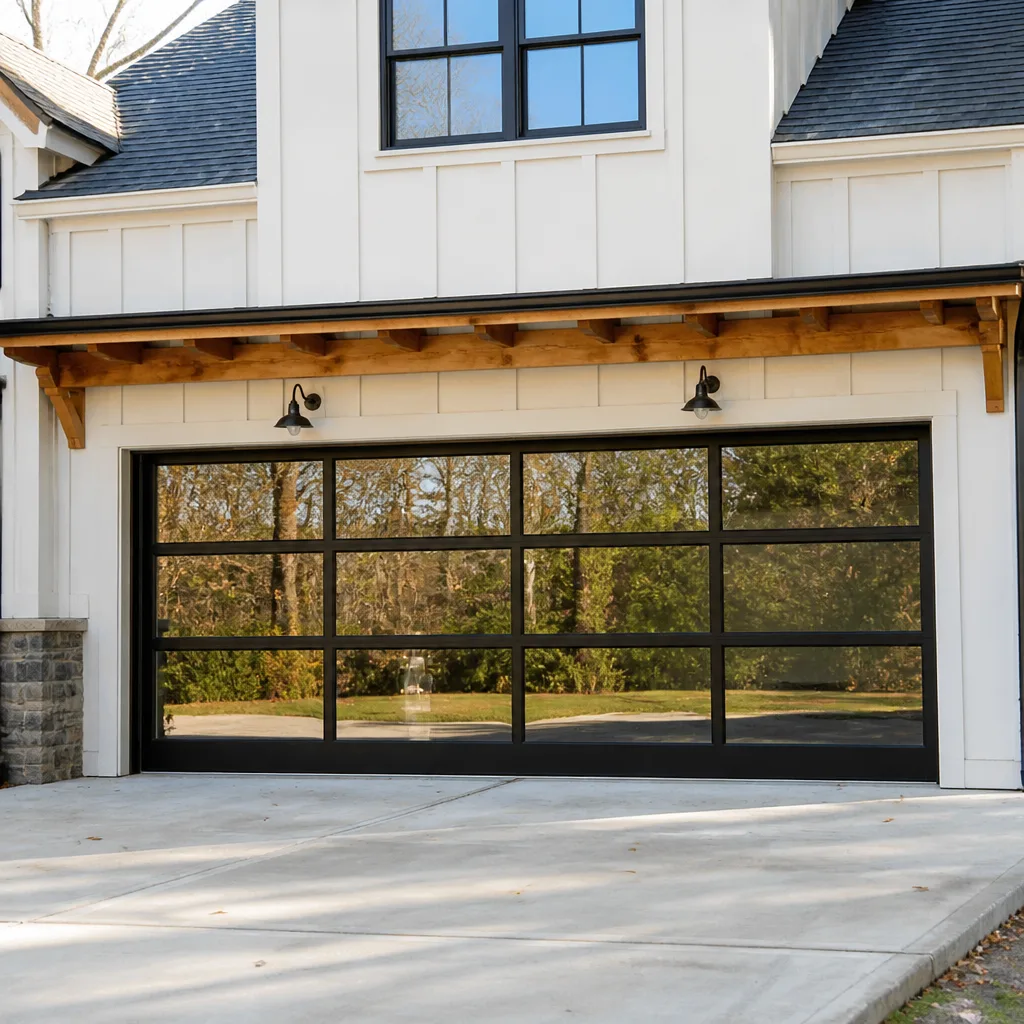 Full-view glass
 LiftMaster openers
 Chamberlain openers
Full 25-point door and opener safety check with every visit - springs, cables, rollers, tracks, and your LiftMaster or Chamberlain opener included
You get a price before we start. It does not change when the pro arrives.
Get your free estimateGarage Door Permits, Codes & Inspections in The Woodlands, TX: What You Need to Know
Most homeowners assume a garage door replacement never needs a permit. That assumption gets tested during a home sale, when an inspector flags a structural modification with no paper trail behind it, and it can stall a closing faster than almost anything else on the report. Here in The Woodlands, the answer isn’t a simple yes or no, because the rules depend on which jurisdiction your address falls under and what your HOA’s architectural standards require on top of that. This guide walks through when a permit is actually required, how to find out which authority governs your street, what wind-rated really means on a door spec sheet, and how to handle the situation if a past project was never permitted. Whether you’re replacing a single door or building a new attached garage, you’ll leave knowing which approvals to line up before anyone touches the opening.
Quick Answer
In The Woodlands, a like-for-like garage door replacement in the same opening usually does not need a building permit, but any project that changes the structural opening, adds a new attached garage, or alters the framing typically does, and the authority handling it depends on whether your address sits in unincorporated Montgomery County, Harris County, or a township MUD area. HOA approval is a separate step and often takes longer than the permit itself. Wind-rated doors and hardware are common in this part of Southeast Texas, and confirming the wind rating before you order saves a failed inspection later.
Styles & brands we work with
- Raised-panel steel
- Carriage house
- Modern flush
- Full-view glass
- LiftMaster openers
- Chamberlain openers
Table of Contents
- Which Jurisdiction Governs Your The Woodlands Address?
- When Is a Garage Door Permit Actually Required?
- HOA Approval: The Step Homeowners Forget
- Wind Load, Wind-Rated Doors, and What the Spec Sheet Means
- What a Garage Door Inspection Covers
- What Happens If You Skip the Permit
- How to Handle a Retroactive Permit
- Frequently Asked Questions
Which Jurisdiction Governs Your The Woodlands Address?
The Woodlands is not one single permitting authority. It’s a patchwork of unincorporated land, utility districts, and improvement associations, and the rules that apply to your garage door project depend entirely on which piece of that patchwork your street falls into. This is the part that trips up homeowners and, frankly, some contractors who don’t work here regularly. Before you pull any permit or submit any HOA paperwork, you need to know which body is asking for it.
Here’s how the jurisdictions typically break down:
- Unincorporated Montgomery County: Much of The Woodlands sits outside any city limits and falls under Montgomery County’s permitting authority for structural work. Garage door replacements in the existing opening generally don’t require a county permit, but structural modifications and new construction do.
- Harris County portions: The southern sections of The Woodlands that extend into Harris County follow Harris County’s own permitting process. The requirements are similar in spirit but the paperwork and inspection scheduling are handled separately.
- Township MUD and association areas: The Woodlands Township and its Municipal Utility Districts handle utility and drainage matters, and the various village associations enforce architectural standards through their own design review process. This is not a building permit, but it functions like one in practice.
Finding out which applies to your address is straightforward. Your property tax statement lists the county. Your HOA welcome packet or the township’s website identifies your village association. If you’re unsure, a quick call to the Montgomery County or Harris County building department with your address settles it. In our experience, the most reliable next step is to ask the department directly whether the scope of your particular project requires a permit, because the answer changes with the scope.
Being clear on jurisdiction matters most for structural work. For a straight garage door repair, the question rarely comes up. But when you’re modifying the opening, adding a door to a wall that didn’t have one, or rebuilding framing around the opening, the jurisdiction question becomes the very first box to check.
When Is a Garage Door Permit Actually Required?
Most garage door work in The Woodlands does not require a building permit. The dividing line is structural. If the project touches framing, the header, the opening dimensions, or the wall structure itself, expect a permit. If it’s a straight swap of a door and its hardware into the same opening, expect to skip the permit and go straight to HOA approval.
Here’s a practical breakdown of the three common categories:
- Like-for-like replacement: Same size door, same opening, same spring and track configuration, just a new door in the existing frame. This is the most common garage door installation project in The Woodlands, and it usually does not require a building permit. HOA approval may still apply depending on your village’s rules.
- Structural opening modification: Widening or raising the opening, changing the header, converting a wall to a door opening, or converting a carport to an enclosed garage. These change the load path of the structure and almost always require a permit and inspection.
- New construction attached garage: Building an attached garage as part of a new home or an addition. This requires a full permit cycle with multiple inspections, including framing, final, and often an energy or structural sign-off depending on the scope.
There’s a fourth case that falls into a gray zone: replacing springs, tracks, or openers. These are mechanical and hardware replacements, not structural work, and typically don’t require permits. We handle spring and opener work as part of our garage door repair service, and in all the jobs we’ve seen across The Woodlands, the permit question almost never comes up for hardware. It comes up when the opening itself is changing.
One thing worth checking: some insurance policies and some HOA documents require documented code-compliant work for major modifications, regardless of whether the county technically requires a permit. Even in the like-for-like zone, a written record of the work is worth keeping. Ask your HOA and your insurer what documentation they want before you begin, and you’ll save yourself a headache later.
HOA Approval: The Step Homeowners Forget
In The Woodlands, HOA design review often takes longer than the municipal permitting process, and it applies to work that doesn’t need any permit at all. If you’re replacing a garage door, changing its color, changing its window pattern, or changing the style of the panels, the village association usually wants to see it first. Skipping this step can trigger a violation notice after the door is already installed, and the remedy is expensive because you’re now correcting finished work.
The submission process typically looks like this:
- Pull your village’s architectural standards: Each village in The Woodlands has its own guidelines. Some are strict about matching the existing door style and color. Others allow more latitude on updates as long as the new door fits the home’s design vocabulary.
- Gather the spec sheets: Most associations want the manufacturer’s cut sheet for the door you’re installing, including model, color, panel style, window options, and wind rating. This is where working with a specialist helps, because the documentation needs to match what you’re actually ordering.
- Submit for review: Submission is usually through the association’s online portal or a paper form if the portal isn’t live. Include a photo of the existing door and, if you can, a rendering or product image of the new one.
- Wait for the decision: Review timelines vary by village and by the complexity of the change. A like-for-like color match is usually quick. A style change is not. Plan on weeks, not days, and don’t schedule installation until the approval is in hand.
What triggers a full aesthetic review versus automatic approval is mostly about how much the door changes visually. Replacing a door with the identical model and color is often on the faster path. Changing from a raised-panel to a carriage-house style, changing the color, or adding windows is where the review kicks in. If you’re not sure, call the association before you order. It’s a five-minute call that can save a month of delay. Our team routinely provides spec sheets to homeowners working through the approval process, and the details matter because the door you install is the door that has to match the approved spec.
Wind Load, Wind-Rated Doors, and What the Spec Sheet Means
Southeast Texas gets serious wind events, and garage doors on this side of the state are often specified with a wind rating. The rating isn’t a marketing sticker. It’s a structural number tied to the way the door, its tracks, its brackets, and its reinforcement handle lateral pressure, and it’s usually expressed as a design pressure in pounds per square foot or as a wind speed the door is rated to withstand.
Two terms show up on almost every spec sheet, and it helps to know what they mean:
- Design pressure (DP): The pressure, in pounds per square foot, that the door assembly is engineered to resist. A higher DP means a stronger door. Local codes usually dictate the minimum DP based on the home’s location and exposure.
- Wind speed rating: The maximum wind speed, in miles per hour, at which the door has been tested. This is often tied to a standard like ASCE 7, which is the reference used in many building codes for calculating wind loads. The spec sheet will usually say which standard was used.
What matters for your The Woodlands project is matching the rating to what the code actually requires at your address. A door rated well above the minimum is fine, but a door rated below it will fail inspection and may not qualify for insurance mitigation credits. Before ordering, confirm the required rating with your county’s building department or with the inspector who will sign off on the final. We work with doors from Clopay, Amarr, Raynor, and Wayne Dalton, and each manufacturer publishes the wind rating for each model in each size, so the numbers are available before you commit to a specific door.
Wind-rated doors often require specific reinforcement struts and heavier-gauge tracks. Installing a wind-rated door panel on standard-duty tracks defeats the purpose and can fail inspection. The whole assembly is the rated product, not just the door section.
What a Garage Door Inspection Covers
When a garage door project does require an inspection, the inspector isn’t just looking at the door itself. The inspection confirms the installed assembly meets code, that the structural opening supports the load, and that the safety features work as designed. Knowing what they check helps you avoid a failed inspection and the re-inspection that follows.
A typical garage door inspection covers these areas:
- Structural opening and header: The framing around the opening is checked for correct sizing, support, and attachment. If the opening was modified, the inspector confirms the header carries the load properly.
- Door and track installation: The door, tracks, and brackets are checked for proper attachment to the structure, correct anchorage, and alignment with the manufacturer’s installation instructions.
- Wind rating compliance: Where required, the inspector verifies the door assembly’s rating matches what was specified on the permit and on the approved plans.
- Safety features: The auto-reverse function, photo-eye safety sensors, and the manual release are all checked for proper operation. These are code-required on every residential opener.
- Labeling and documentation: The inspector confirms the installed door carries the correct labeling and that the permit records match the installation.
Inspections are usually scheduled by the permit holder, and the door has to be fully functional and operational at the time of inspection. That means the opener, springs, and hardware all need to be installed and adjusted before the inspector arrives. Failed inspections usually come down to one of three things: the door doesn’t match the approved spec, the safety features aren’t working, or the anchorage doesn’t meet the manufacturer’s requirements. Each of those is fixable, but the fix is faster if you catch it before the inspector does. When we install a door for a The Woodlands homeowner with a permit in play, we walk the full checklist before the inspection date so nothing gets flagged.
What Happens If You Skip the Permit
Skipping a required permit is one of those things that stays quiet until it doesn’t. The problem isn’t the door itself. It’s the paper trail, or the lack of one, that surfaces later. In The Woodlands’ active real estate market, unpermitted garage work shows up in inspection reports with some regularity, and the homeowners I talk to who end up dealing with it almost all say the same thing: they didn’t realize the work needed a permit until they were trying to sell.
Here’s what actually happens when a required permit was skipped:
- Resale disclosure obligations: Texas sellers are required to disclose known defects and known improvements made without required permits, and buyers’ inspectors routinely flag unpermitted structural work. A buyer’s lender may also require the work to be brought into compliance or permitted retroactively before closing.
- Insurance claim complications: If a garage door structure is damaged in a wind event and the improvement wasn’t permitted or code-compliant, an insurer may question the claim or reduce what they cover. Insurers want to know the work met code at the time it was installed.
- Inspection surprises at sale: An inspector who sees a structural modification to a garage opening will ask for the permit. If there isn’t one, the buyer often asks for a credit, a repair, or a price reduction, and the negotiation shifts against the seller.
- HOA violations: Skipping HOA approval can trigger a violation notice and a requirement to correct the installation, which is costlier after the fact than getting the approval first.
The honest answer here is that the process for retroactive permitting is workable. It’s not the catastrophe some articles suggest. But it’s slower and more expensive than doing it right the first time, and it puts the burden on you right at the moment you’re trying to sell. If you want to avoid that scenario entirely, the simplest step is confirming permit requirements with the county before your contractor starts work.
How to Handle a Retroactive Permit
If a garage door project was done without a permit and one was required, the most common path forward is a retroactive permit, sometimes called a late permit or an after-the-fact permit. It’s a standard process, not a penalty trap, and it’s much easier to work through before a sale than after. Here’s how the process typically goes in The Woodlands and the surrounding counties:
- Call the jurisdiction and describe the scope: Tell them what was done, when, and by whom if you know. Ask specifically whether a retroactive permit is available for the work and what the application requires.
- Gather whatever documentation exists: Original installation records, manufacturer’s spec sheets, photos of the work, and any receipts. If you’re missing paperwork, the department will tell you what they’ll accept in its place.
- Submit the application and pay the permit fees: Expect to pay normal permit fees, and in many jurisdictions a late fee or penalty fee applies. The fees vary by jurisdiction, so confirm the amount with the department.
- Schedule the inspection: The inspector will examine the work as it stands. Common flags include inadequate anchorage, missing safety features, or non-compliant wind rating. Most of these are correctable.
- Complete any corrections and re-inspect: If the inspection reveals issues, corrections are usually straightforward, and the follow-up inspection is scheduled after the fixes are complete.
- Keep the final documentation with your home records: Once the permit is closed, keep the approved inspection records with your property file. If you ever sell, that paper trail makes the disclosure simple.
If the work was done by a previous homeowner and you inherited an unpermitted garage, the good news is that retroactive permitting is designed for exactly this scenario. It’s a routine process. The one thing I’d flag is that structural work is the harder case. Hardware doesn’t usually hit this problem at all, but a structural opening modification that was never permitted needs a real inspection before you can close it out. For that, plan on a thorough review of the framing and a correction plan if anything doesn’t meet the current code. In our experience, the earlier you start, the calmer the closing.
Common Mistakes to Avoid
- Assuming permit rules are the same across The Woodlands. Montgomery County, Harris County, and township MUD areas each handle garage permits differently. Confirm by address before you plan the project, not after.
- Ordering the door before HOA approval. Village association reviews can take longer than the permit. Order first and you’re either delaying the install or installing a door the association hasn’t approved.
- Skipping the wind-rating check. A door rated below the required design pressure can fail inspection and complicate an insurance claim. Confirm the required rating before you commit to a model.
- Treating “wind-rated” as a door-only specification. The whole assembly, including tracks and reinforcement, has to meet the rating. A wind-rated panel on standard tracks isn’t a wind-rated door.
- Forgetting to keep the documentation. Permit approvals, inspection reports, and HOA sign-offs belong with your home records. Missing paperwork becomes the seller’s problem at closing.
- Guessing at the structural scope. If your project changes the opening, the header, or the wall, it’s structural. Assume it needs a permit until the building department tells you otherwise.
- Letting a generalist handle the work and the permit question. Garage doors are all we do. A general handyman doesn’t always know which county wants a permit for which scope, and garage permits are the one place that knowledge matters.
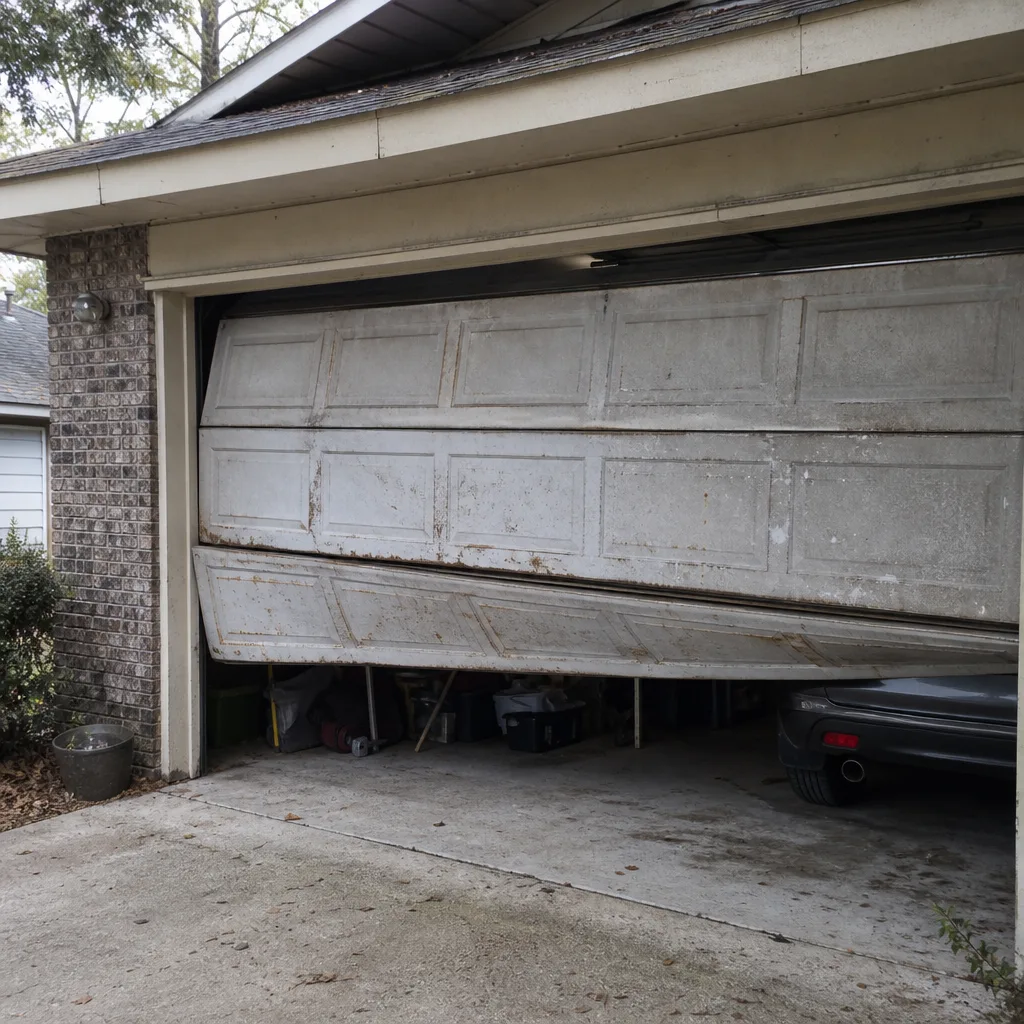
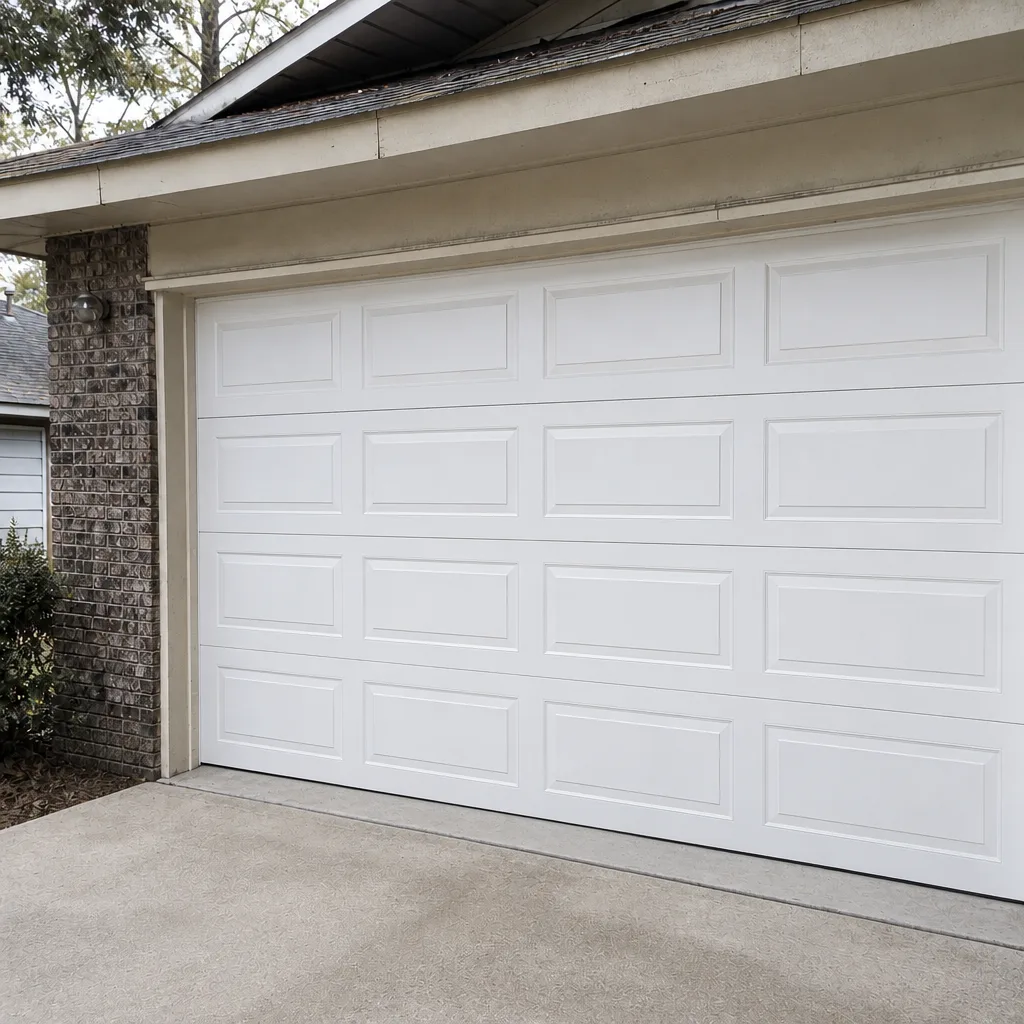
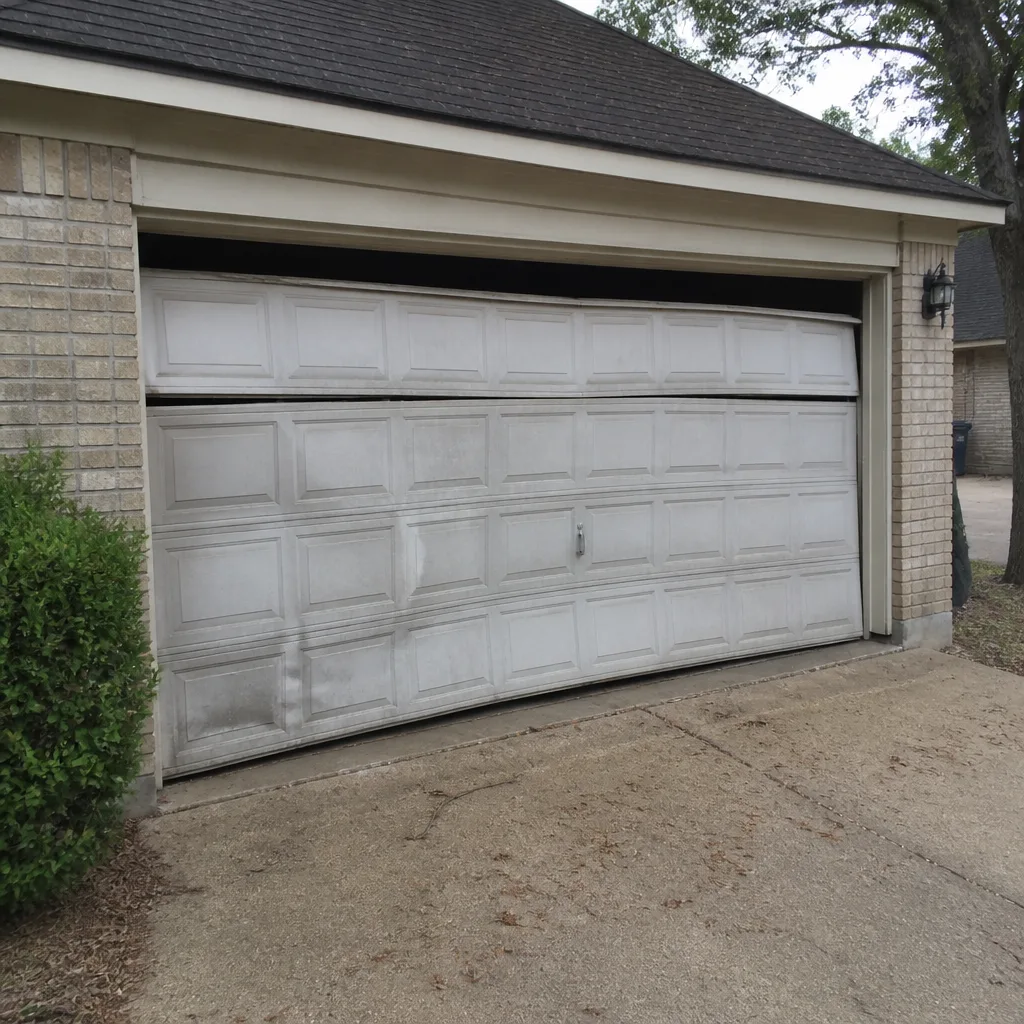
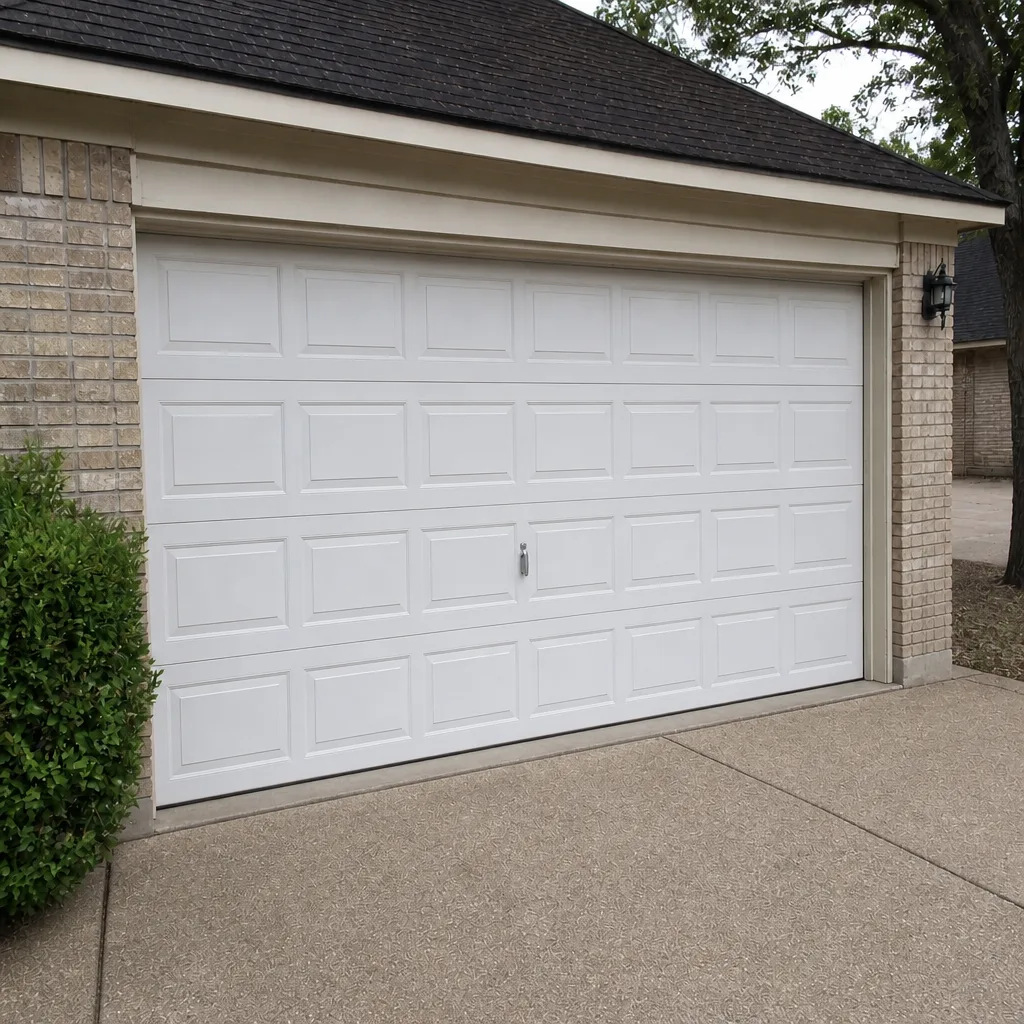
See the difference
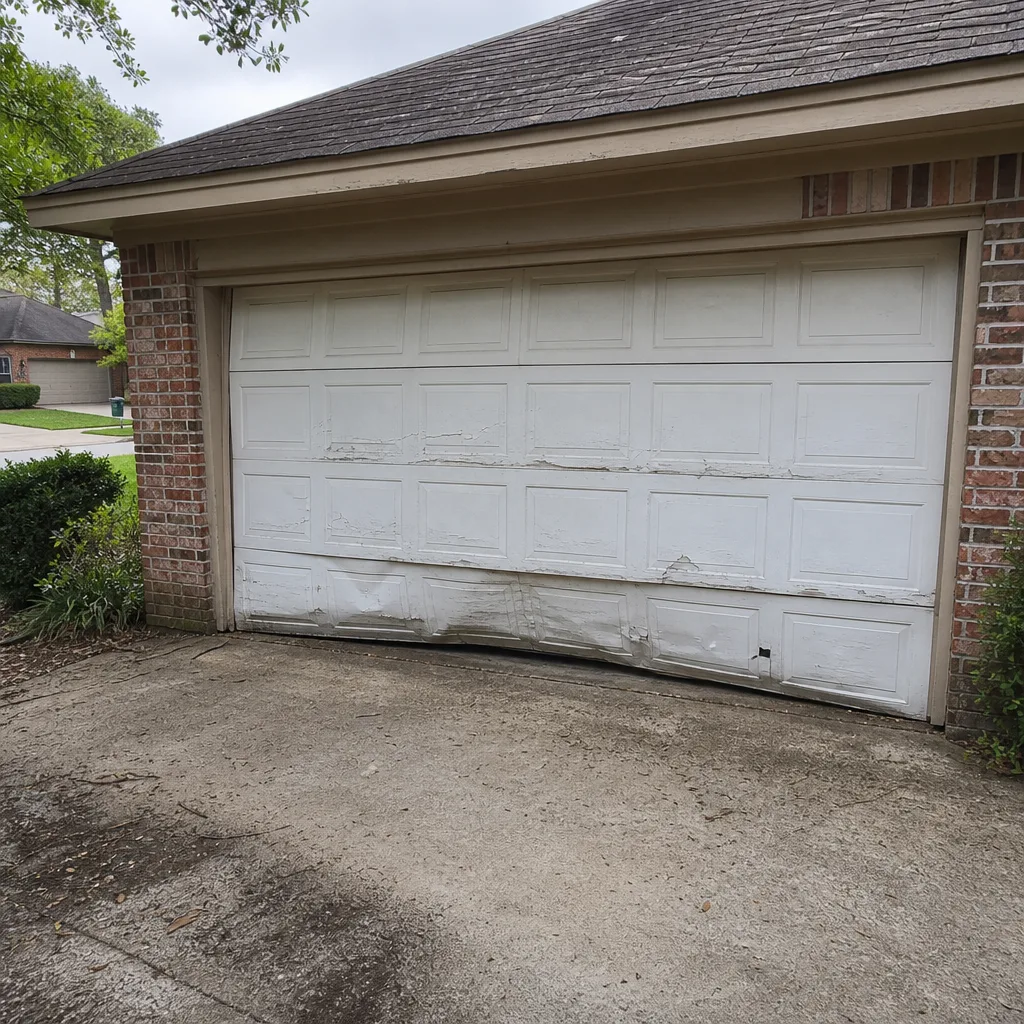 Before
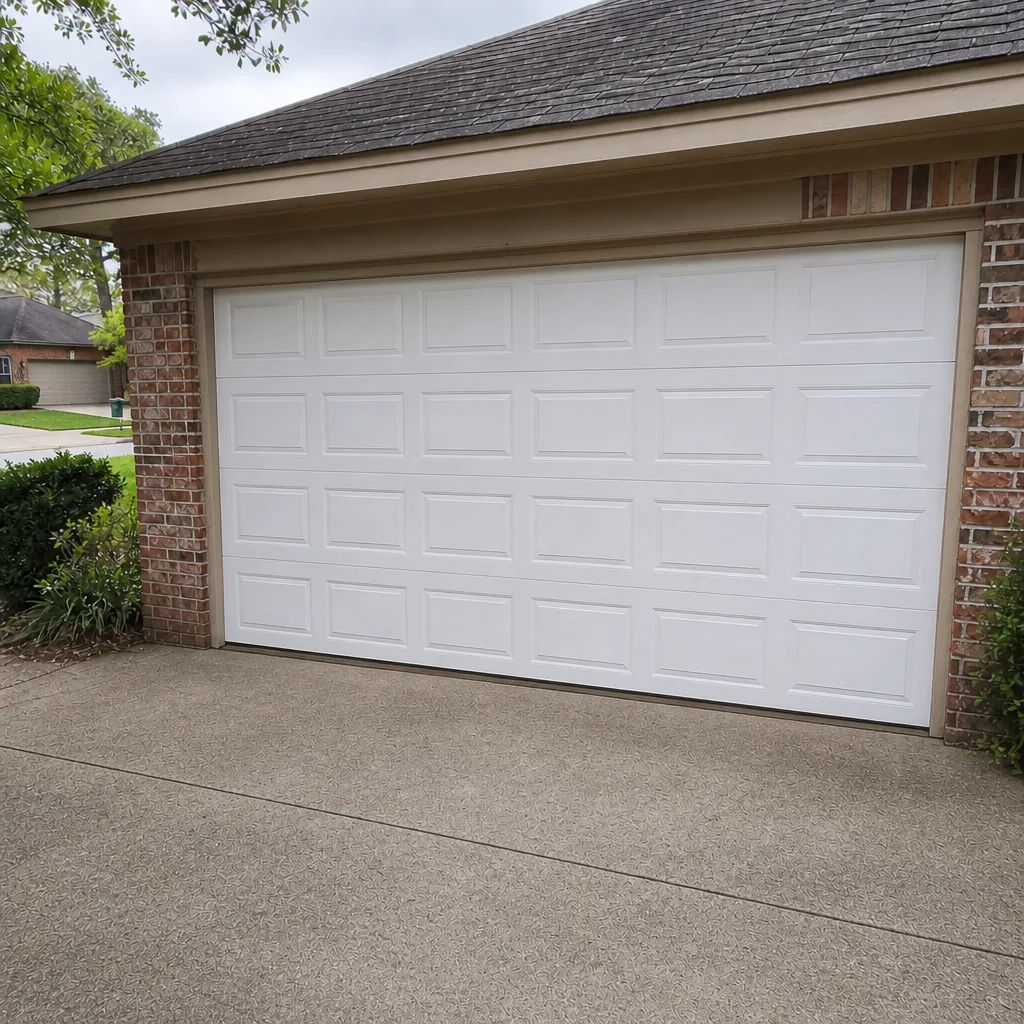 After
 Before
 After
 Before
 After
When to Call a Professional
You should call a professional for anything that involves the door assembly, the springs, the opener, or the structural opening, and for anything that could affect permit or inspection status. Garage doors have two safety-critical components: the springs under tension and the opener’s safety system. Neither is the right project for a homeowner with a Saturday and a ladder. Torsion springs, in particular, store enough energy to seriously injure someone who doesn’t know how to handle them, and we don’t recommend any homeowner attempt spring work. The same applies to structural modifications: if the opening is changing, the job needs an experienced installer and, usually, a licensed contractor working under a permit. When you need to know whether your project requires a permit or how to line up the inspection, that’s also a conversation worth having with a specialist. The Woodlands Garage Door Repair Co offers free estimates in The Woodlands, and we can help you figure out the scope, the documentation, and the right path forward. Call (855) 812-9394.
Frequently Asked Questions
In most cases, no. A like-for-like garage door replacement in the existing opening usually doesn’t require a building permit in The Woodlands, whether you’re in unincorporated Montgomery County, Harris County, or a township MUD area. However, HOA approval may still apply, and you should confirm with your village association before you install. If the project changes the opening, the header, or the framing, expect a permit. Call (855) 812-9394 for a free estimate and we can help you sort out the scope before you order a door.
Usually, yes. In The Woodlands, village associations typically want to review any garage door change that alters the door’s appearance, including color, panel style, and window pattern. A like-for-like replacement with the identical model and color is often on a faster path, but a style change triggers a fuller review. Review timelines vary by village, so plan on weeks rather than days. Call (855) 812-9394 and we can walk through what the submission needs to look like.
A wind-rated garage door is one tested to resist a specific design pressure or wind speed, usually tied to the ASCE 7 standard referenced in building codes. Whether a wind rating is required depends on your jurisdiction and the code applicable at your address. Confirm the required rating with Montgomery County or Harris County before you order a door. We work with Clopay, Raynor, LiftMaster, and Amarr products, and each manufacturer publishes the ratings for their models, so the specs are available before you commit. Call (855) 812-9394 for a free estimate on a wind-rated door.
You’ll likely have to disclose the unpermitted work, and a buyer’s inspector may flag it. In many cases, the sale stalls until the work is brought into compliance or permitted retroactively, and lenders sometimes require it before closing. Handling the retroactive permit before you list is much simpler than handling it during a closing. Call (855) 812-9394 and we can help you figure out what the retroactive process will look like for your address.
Timelines vary by jurisdiction and by the scope of the project, so the only reliable answer comes from the department handling your permit. A simple permit for a straightforward replacement is generally quicker than a structural modification, and a new attached garage requires a full multi-inspection cycle. HOA review often runs longer than the municipal permit itself. Confirm both timelines before you schedule installation. Call (855) 812-9394 for a free estimate and we’ll help you line up the sequence.
The professionals we connect you with are licensed and insured as their state requires, and licensing requirements for garage door work vary. When you’re hiring anyone for garage door work in The Woodlands, ask for proof of insurance and confirm their licensing status in Texas. Our technicians have up to 8 years of experience across the brands we work on, including LiftMaster, Chamberlain, Genie, and Raynor. Call (855) 812-9394 for a free estimate.
The Bottom Line
Garage door permits in The Woodlands aren’t one set of rules, they’re a patchwork. Like-for-like replacements usually skip the building permit but rarely skip HOA review. Structural modifications and new construction need both. Wind ratings matter on this part of Southeast Texas, and a rated door is only rated when the whole assembly is installed to spec. Keep your documentation, confirm your jurisdiction by address, and handle any missing permit before you’re trying to close a sale. Garage doors are all we do, from the spring to the opener to the panel, and we’re glad to help The Woodlands homeowners get the paperwork and the installation right the first time. Call (855) 812-9394 for a free estimate. We answer 24/7, with fast dispatch from 7am to 7pm, Sunday through Friday.
Written by the team at The Woodlands Garage Door Repair Co.