
Last updated November 21, 2026
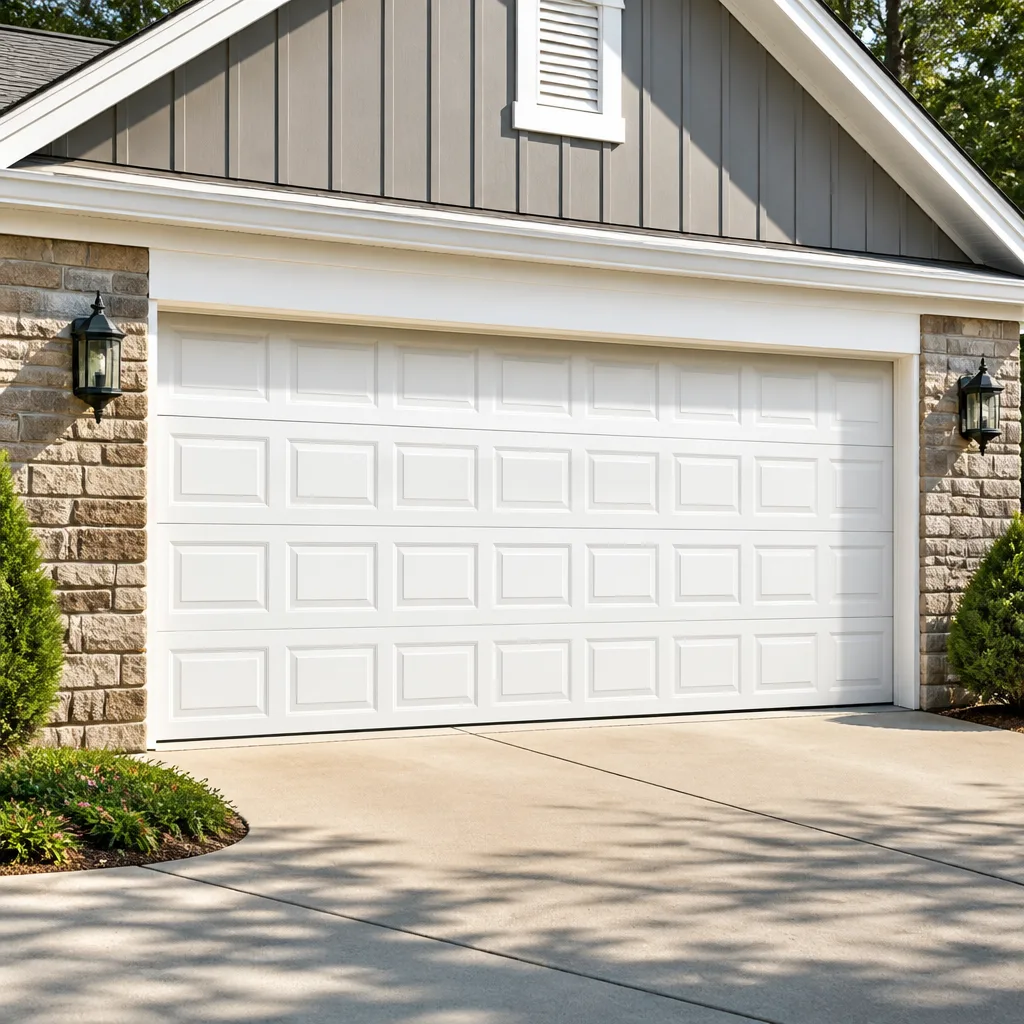 Raised-panel steel
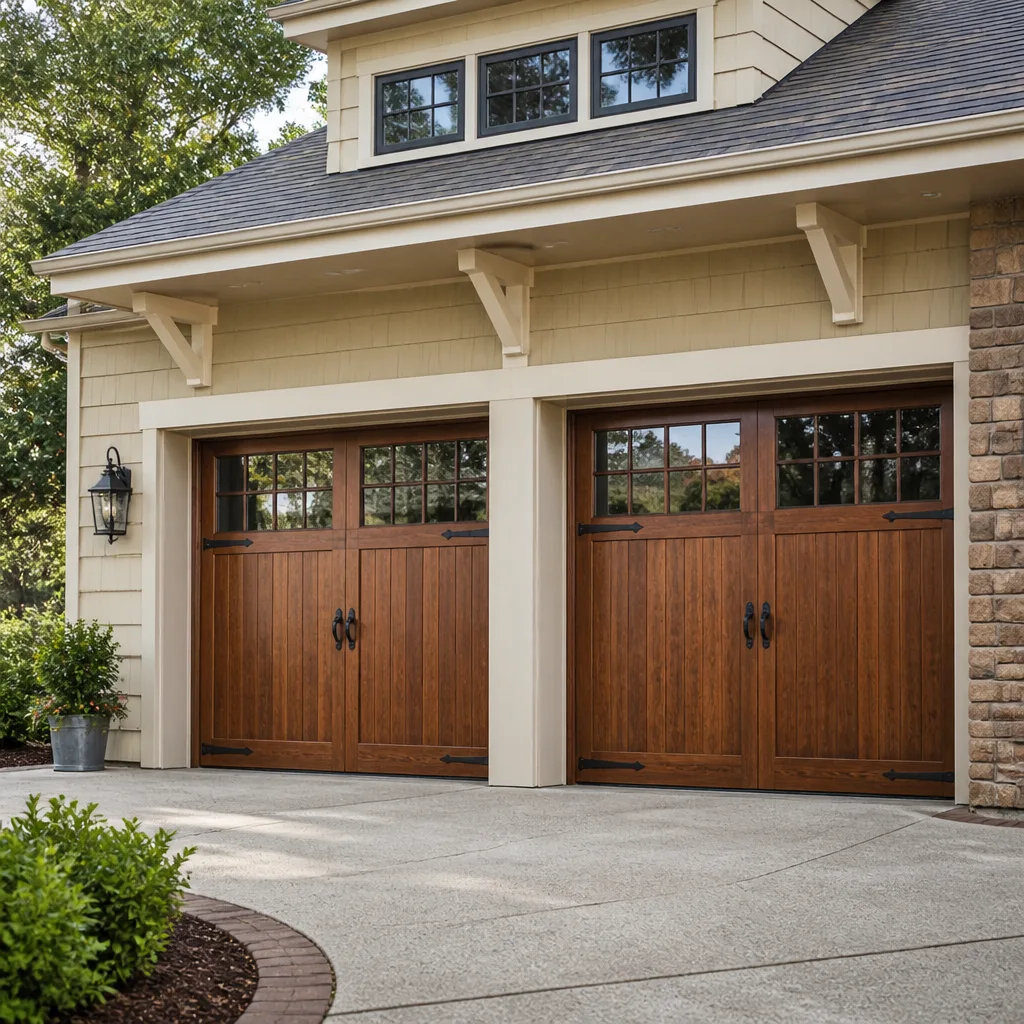 Carriage house
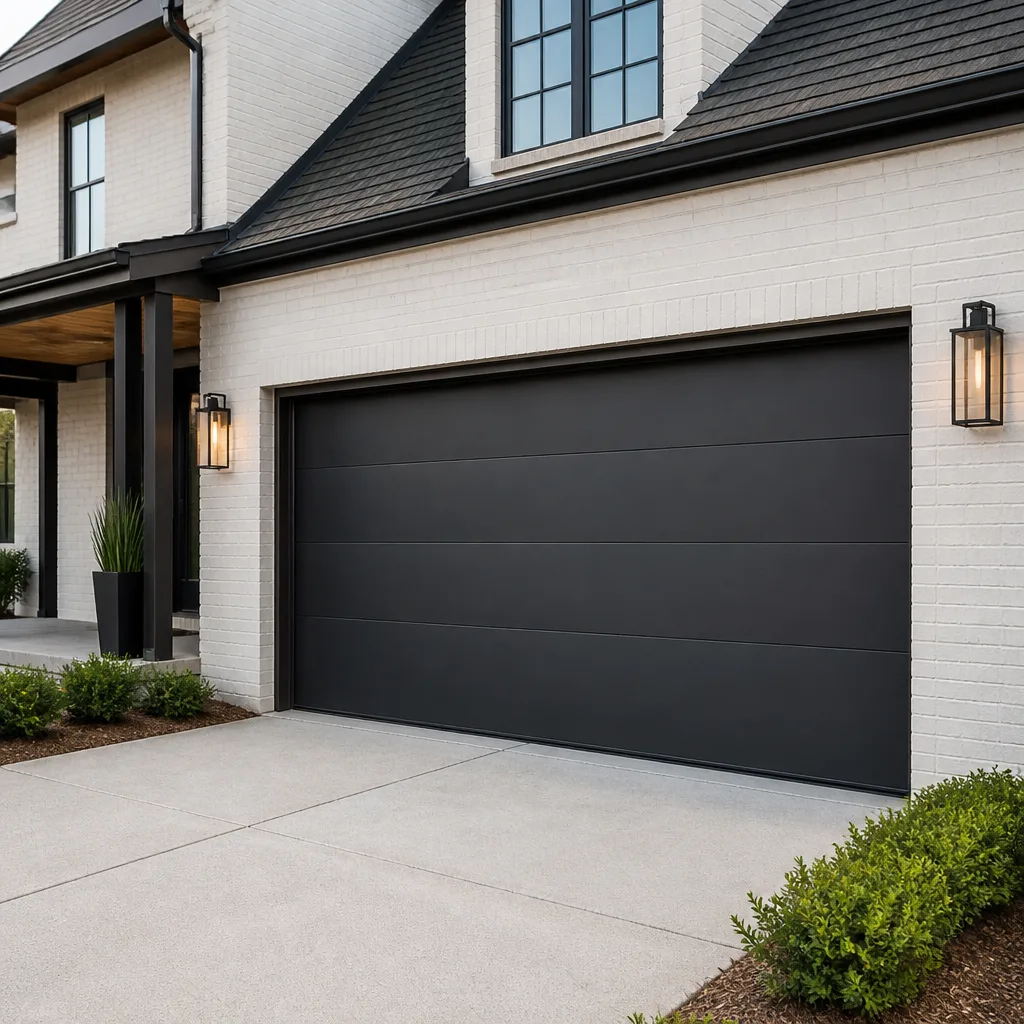 Modern flush
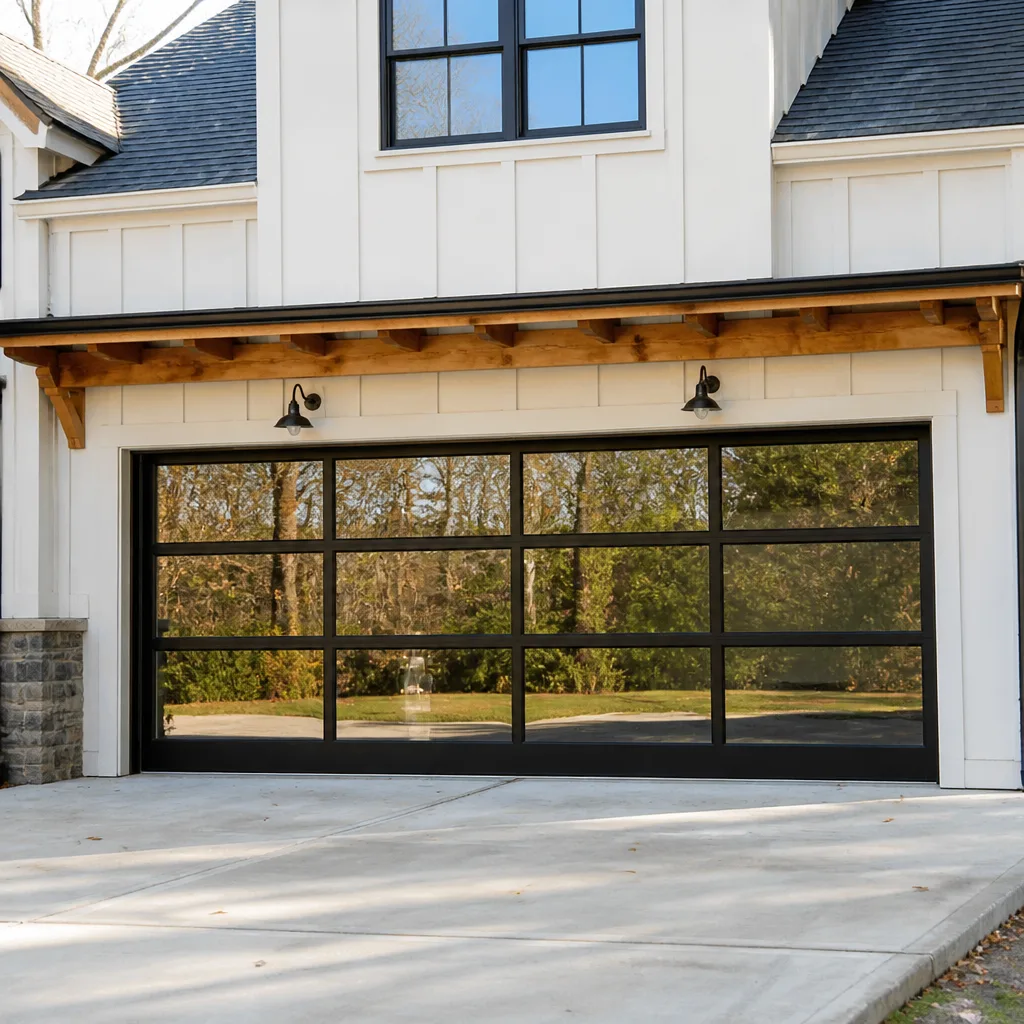 Full-view glass
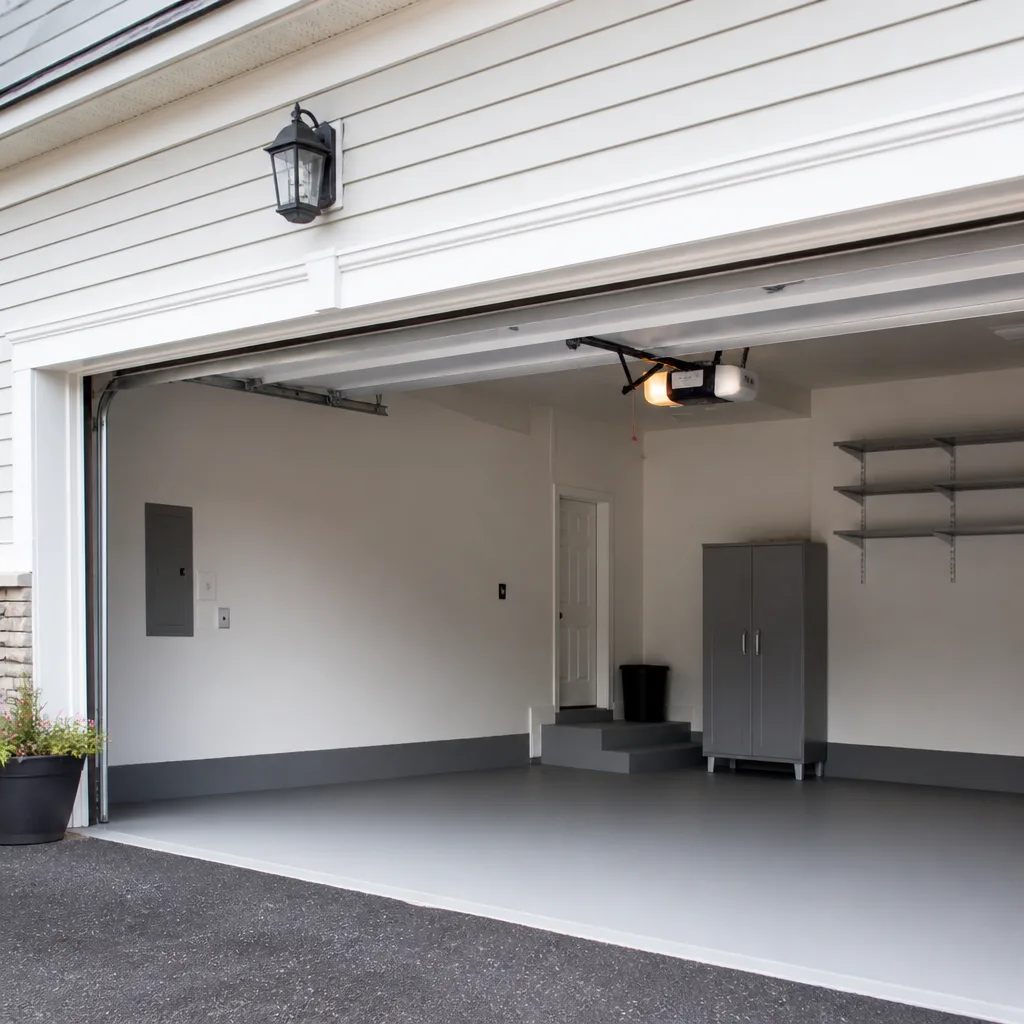 LiftMaster openers
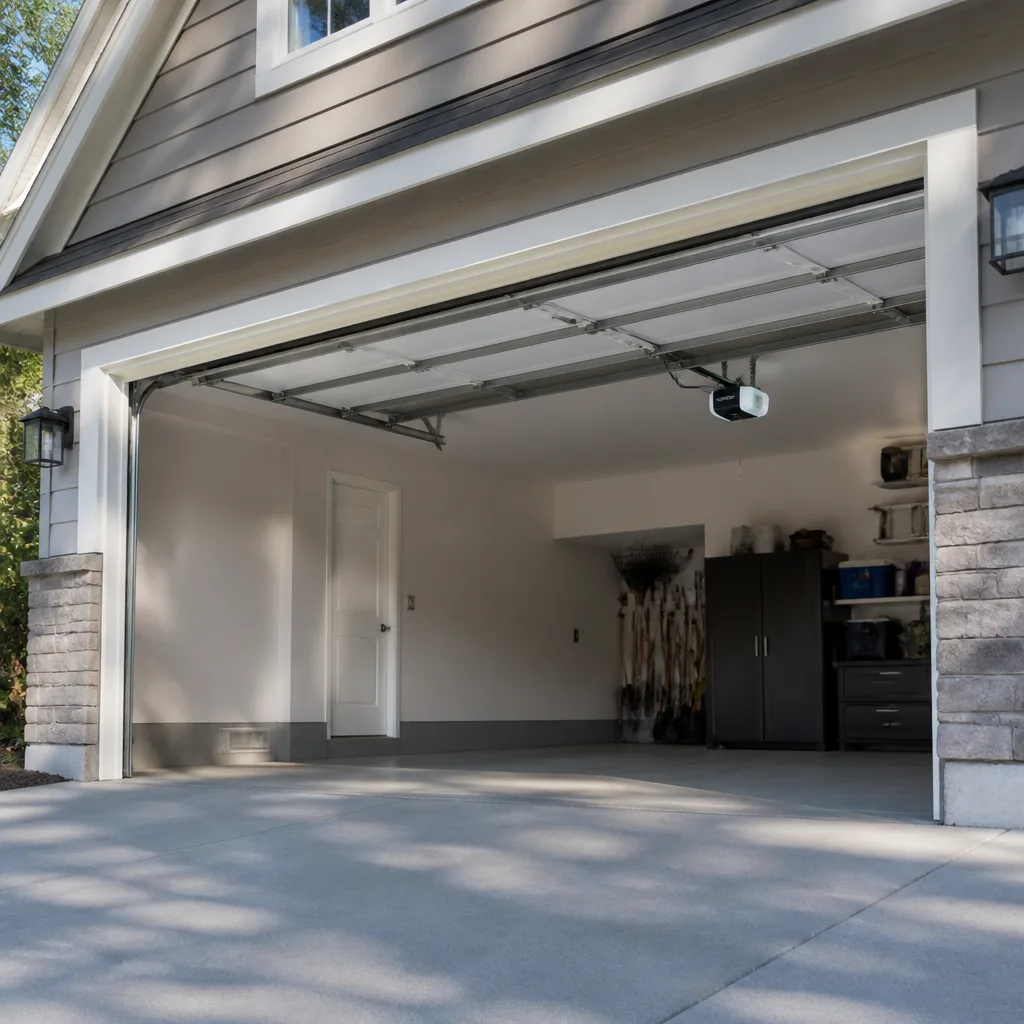 Chamberlain openers
Full 25-point door and opener safety check with every visit - springs, cables, rollers, tracks, and your LiftMaster or Chamberlain opener included
You get a price before we start. It does not change when the pro arrives.
Get your free estimateSeasonal Garage Door Care for The Woodlands: Year-Round Homeowner’s Guide
Most homeowners around The Woodlands assume their garage door is a winter problem. Somewhere in the back of their mind is the image of a cold-climate garage, ice on the hinges, a spring snapping in a frozen snap. It doesn’t match what actually happens here. Our technicians have up to 8 years of experience working on doors across this area, and the pattern they describe is different: hardware that has spent six months being baked and humidified by a Gulf Coast summer tends to fail the moment a hard freeze lands on it. February is the month we see the most work, not because of the cold itself, but because of what the heat did before it. What follows is how a garage door actually behaves through The Woodlands’ year, what to check before each season, and when to stop checking and call someone.
Quick Answer
Seasonal garage door care in The Woodlands comes down to timing: prepare seals, springs and opener cooling before the summer heat pushes garage temperatures past 110°F, verify wind load and the manual release before hurricane season threatens, and test lubricants, battery backup and balance before the brief winter freezes. The two shoulder seasons, late October and early April, are the best windows to catch problems before they become failures.
Styles & brands we work with
- Raised-panel steel
- Carriage house
- Modern flush
- Full-view glass
- LiftMaster openers
- Chamberlain openers
Table of Contents
- Why The Woodlands Doesn’t Have Four Equal Seasons
- Pre-Summer Prep: What 110°F Does to a Garage Door
- Hurricane and Tropical Storm Season Protocol
- Winter Freeze Prep for a Climate That Rarely Freezes
- Post-Storm Inspection After Montgomery County Thunderstorms
- The Shoulder-Season Maintenance Window
- A 12-Month Garage Door Calendar for The Woodlands
- Common Mistakes to Avoid
- When to Call a Professional
- Frequently Asked Questions
Why The Woodlands Doesn’t Have Four Equal Seasons
The calendar says four seasons. The weather around The Woodlands doesn’t cooperate with that evenly. What you actually get is a long, punishing summer, a short and genuinely unpredictable winter that occasionally throws a hard freeze, and two shoulder seasons in between. Those shoulders do most of the quiet damage to your garage door, and hardly anyone plans for them.
The reason is thermal cycling plus humidity. Woodlands garages sit through weeks where the inside of the garage climbs well past the outdoor temperature, then cool down at night, then heat up again. Every cycle works the rubber seals, the spring tension and the opener’s motor. Add Gulf humidity and you get hardware that looks fine from the driveway but is slowly losing its tolerance. When a real test finally arrives, a freeze or a named storm, the door has no margin left.
This is why a generic “check your door twice a year” schedule borrowed from a national article doesn’t match The Woodlands. Our climate asks for a specific order: get through summer first, then storm season, then winter, with the two shoulder windows as your real tune-up points. The rest of this guide builds that out.
Pre-Summer Prep: What 110°F Does to a Garage Door
When the ambient temperature inside a Woodlands garage tips past 110°F, three things change at once. Rubber seals soften and lose their shape. Spring tension behaves differently as the metal expands. And the opener motor runs hotter than it was designed to, especially on a door that’s left closed all day under an unshaded roof.
Rubber seals
Your bottom seal and any perimeter weatherstripping are the first casualties. Softened rubber flattens, tears, and stops sealing. That’s a humidity problem first and a pest problem second. Run your hand along the bottom seal on a hot afternoon; if it feels tacky or leaves a mark, it’s breaking down and should be replaced before fall.
Spring tension
Torsion and extension springs hold your door’s entire weight. Heat doesn’t break them on its own, but months of cycling on an already-weakened spring is what pushes it over. A quick balance test tells you a lot: disconnect the opener and lift the door halfway by hand. It should stay put with maybe one hand holding it. If it drops or rises on its own, the spring balance is off and you need a specialist.
Opener motor heat
Openers are rated for a duty cycle, and a long, heavy door on a hot day pushes that cycle hard. If your opener feels hot to the touch after two or three uses in a row, give it a break, and check that its vents aren’t clogged with dust. LiftMaster, Chamberlain and Genie units are all built for residential use, but none of them are built for back-to-back cycles in a 120°F garage. If the opener on your Clopay or Amarr door is struggling, garage door opener repair can usually sort out whether it’s a strain issue or a component failure.
Do this pre-summer work in April or May, before the heat settles. It’s the cheapest window all year.
Hurricane and Tropical Storm Season Protocol
When a named storm forms in the Gulf, The Woodlands homeowners have a specific list to run through on the garage door. Not a general hurricane checklist copied from a coastal guide, but the items that actually matter for the largest opening on your house.
- Verify the wind load rating. Every garage door installed in this region should carry a wind load rating printed on a label inside the door or in the panel. If you can’t find it, don’t guess; ask the manufacturer or your installer. A door rated for less than the wind pressure your area expects won’t hold in a serious storm no matter how well it fits.
- Test the manual disconnect. That red handle hanging from the opener rail is the emergency release. Pull it once before storm season to confirm the door will let you take over by hand if the power goes out. Then reconnect it, and make sure the carriage is properly engaged.
- Inspect the bottom seal. A worn bottom seal lets wind-driven rain push under the door. Check it for tears, hardened rubber or gaps at the corners.
- Clear the tracks. Small debris, washers or leaves in the tracks can stop the door mid-travel when it’s needed most.
- Check the panel fasteners. Look at every hinge and panel screw. Loose ones let panels flex under wind load.
- Confirm the battery backup. Many openers, including LiftMaster and Chamberlain models, have a battery backup that keeps the door operating when the grid goes down. Test it by unplugging the opener and running the door once.
Do this in June, before the peak of the season, and again whenever a storm is named. Fifteen minutes of inspection is worth more than a scramble at the last minute. If your door is older and you can’t find a wind load rating anywhere, that’s worth a proper look; sometimes the answer is that the door needs replacing, and garage door installation is the long-term fix.
Winter Freeze Prep for a Climate That Rarely Freezes
The Woodlands winters are mild most of the time. That’s exactly what makes the occasional hard freeze dangerous: nobody prepares for it. Hardware that’s been softened and worked by months of heat and humidity suddenly sees 20°F, and this is where February surprises happen. The point of winter prep is to give your door a buffer before the cold arrives.
Lubricants that stay viscous
Not all garage door lubricants behave the same. In a mild climate, most homeowners never think about viscosity, but a lubricant that’s fine at 60°F can get stiff at 20°F, which loads the opener motor and stresses every moving joint. Check the label on whatever you’re using and look for one rated for low-temperature use. If you’re not sure, ask; a lubricant that thins out will do the reverse job in the summer heat.
Why battery backup matters more here than in colder climates
In a northern climate, ice storms and heavy snow routinely knock out power, and everyone plans for it. In The Woodlands, a freeze event can knock out power for hours because the local grid isn’t stressed often. When that happens, the garage door is your largest entry point, and a dead opener means a manual lift of a heavy door in cold weather. Opener brands including LiftMaster and Chamberlain sell battery backup kits for exactly this reason. If your door is the only way in, test that backup before the first cold front.
Balance and cycle check
The freeze is not the time to discover a failing spring. Do a balance test in November or early December. Lift the door halfway by hand with the opener disconnected, and see if it holds. If it drops, you have a spring problem, and a spring problem in a hard freeze is worse than a spring problem in June.
If you’ve never had your door fully inspected before winter, that’s a good reason to bring someone out. Booking garage door repair before the freeze costs less than an emergency call during it.
Post-Storm Inspection After Montgomery County Thunderstorms
The Woodlands sees serious thunderstorms in spring and fall, and the aftermath is when homeowners most often misread the door. Impact damage and pre-existing wear can look similar from the driveway. Knowing the difference saves you either an unnecessary service call or an ignored problem.
What impact damage looks like
- Fresh dents or creases on a panel, especially near the top, where wind-driven debris tends to hit.
- A panel that’s been pushed in but not punctured, creating a hinge misalignment that shows up as a grinding sound.
- Cracked or chipped paint at a panel edge, often the first visible sign of stress.
- A bent track or a visibly off-center door.
What pre-existing wear looks like
- Uniform scuffing along the bottom seal, from a long history of opening and closing.
- Rust at the hinges or rollers, from humidity over months, not a storm night.
- Fading on one side of a panel more than the other.
- A door that’s been slightly off-level for weeks, not something that happened overnight.
If you’re not sure which category a problem falls into, take a photo and compare it against your records or your last inspection. When the answer is still unclear, a trained technician can tell the difference in a few minutes. It’s worth knowing, because the fix is different: impact damage often needs panel or track work, while wear needs adjustment or replacement.
The Shoulder-Season Maintenance Window
The two best times to service a garage door in The Woodlands are late October and early April. They’re the bookends of the hardest parts of the year, and each one has a different priority.
Late October: recover from summer, prepare for winter
- Replace any bottom seal or weatherstripping that softened over the summer.
- Run a balance test and address any spring tension concerns.
- Lubricate hinges, rollers and springs with a low-temperature-rated product.
- Test the opener’s battery backup and check for heat stress on the motor.
- Clear the tracks and inspect all hinges and fasteners for wear.
Early April: recover from winter, prepare for summer
- Check the bottom seal again for any cracking from the winter’s cold nights.
- Confirm the balance test still passes; springs don’t heal, they wear.
- Inspect the opener motor vents for dust buildup before the summer heat arrives.
- Verify the wind load rating and manual disconnect ahead of storm season.
- Look at hinges and rollers for humidity-driven rust, and replace anything binding.
These are the two windows when the work is cheapest and least urgent. A spring caught in April is a routine call. The same spring caught in June on a 105°F afternoon is more complicated, and the same spring caught in a February freeze can be a full door failure.
A 12-Month Garage Door Calendar for The Woodlands
Here’s the schedule we’d give a Woodlands homeowner who wants to stay ahead of problems without overthinking it.
- January: Test the balance and battery backup after the coldest weeks. Listen for any new grinding or scraping.
- February: The highest-risk month locally. If a hard freeze is forecast, do a balance test again and make sure the manual release is working.
- March: Inspect for rust at hinges and rollers. Clear tracks of any debris from spring winds.
- April: Shoulder-season tune-up. Full inspection, lubricate, verify the wind load label.
- May: Pre-summer check on seals and opener motor vents. This is your last best window before the heat settles.
- June: Storm-season protocol. Manual disconnect, battery backup, bottom seal, panel fasteners.
- July-August: Watch for opener heat stress. Keep the door closed less if it’s an option, and check the bottom seal for softening.
- September: Post-summer inspection. Balance test, seal check, opener lubrication.
- October: Shoulder-season tune-up. Replace worn seals, lubricate with a low-temperature product, test battery backup.
- November: Pre-winter balance test and spring check. Confirm battery backup capacity.
- December: Quick visual inspection. Hinges, rollers, tracks, seal condition.
If your door is on the older side, or you’ve never had it serviced, this calendar can be done in two visits a year: a spring visit and a fall visit, followed by quick monthly checks on your own. If you’d rather not manage it, a single call to a specialist twice a year covers everything above.
Common Mistakes to Avoid
- Using the wrong lubricant year-round. A product that’s fine in July can turn stiff at 20°F, and the opener motor pays the price. Check the label’s temperature range.
- Ignoring the bottom seal in summer. Woodlands humidity softens seals faster than most guides account for. If your seal feels tacky in August, it’s already failing.
- Assuming a hurricane-rated door is maintenance-free. Wind load ratings apply to a properly installed, properly maintained door. A worn seal or loose panel undermines the rating.
- Forgetting the manual disconnect before storm season. It’s the most overlooked safety feature on every door, and it’s the one you’ll want if the power fails.
- Skipping the balance test because the door “looks fine.” Springs don’t announce themselves. The balance test is the fastest five-minute check a homeowner can do.
- Diagnosing storm damage as wear, or wear as storm damage. Fresh dents, creases and bent tracks are impact. Rust, fading, and uniform scuffing are wear. Getting this right saves the wrong repair.
- Tightening bolts on a door that’s visibly off-center. Off-center usually means track or spring, not loose hardware. Tightening can make it worse. Call a specialist.
When to Call a Professional
Some garage door problems are routine inspections. Others carry real risk if you handle them yourself. Call a specialist when:
- You hear a loud bang from the garage and the door won’t lift. That’s usually a broken torsion spring, and it is not a DIY repair.
- The door goes up unevenly, or drops on one side. Tracks and springs are both possibilities, and either one can fail dangerously.
- The opener runs but doesn’t move the door. That could be the opener, the spring, or the carriage, and diagnosis matters.
- Your bottom seal is torn, soft or missing, especially before storm season.
- You can’t find a wind load rating, or you’re not sure your door meets what your area expects.
- You’re unsure whether post-storm damage is new or pre-existing.
Torsion springs and wound cables store enormous energy. A trained technician can work on them safely with a plan; a homeowner with a wrench cannot. We work on Clopay, Amarr, Wayne Dalton, Craftsman, LiftMaster, Chamberlain, Genie and Raynor systems, and we do springs, openers, installs and parts under one roof. Garage doors are all we do. The Woodlands Garage Door Repair Co offers free estimates in The Woodlands. Call (855) 812-9394. We answer 24/7. Fast dispatch from 7am to 7pm, Sunday through Friday.
Frequently Asked Questions
Twice a year, ideally in late October and early April, is the right cadence for this climate. Those windows catch the damage from summer heat and humidity before winter, and from winter cold before summer. Homeowners with an older door or a heavy wood door should consider a third inspection mid-summer.
In our experience, yes, and mostly because of what happened before February. Hardware softened by months of heat and humidity is less tolerant of a hard freeze. The cold itself doesn’t break springs; it’s the accumulated stress the freeze exposes. Call (855) 812-9394 for an exact quote if you’re not sure of your door’s condition.
Yes, if the product you’re using isn’t rated for low temperatures. A lubricant that stays viscous at 20°F prevents opener strain during a cold snap, but one that stiffens up can make a mild freeze feel like a mechanical failure. Check the label, and if it’s unclear, ask.
Look for a label or stamped rating on the inside of the door or in the panel paperwork. If you can’t find one, ask the manufacturer or your installer. Do this in June, before storm season peaks, and again whenever a named storm forms in the Gulf.
Inspect the door for fresh dents, creases, bent tracks and cracked paint, and compare against any pre-existing wear. Test the opener once, and check the bottom seal. If anything is unclear, call a technician. Call (855) 812-9394; estimates are free and we can tell you whether it’s impact damage or wear.
No. Torsion and extension springs are under extreme tension, and a mistake with either can cause serious injury. This is exactly the kind of work that needs a trained technician. If your door won’t lift, leave it and call.
What if my opener stops working during a freeze?
First check whether the manual release will let you open the door by hand. If it will, the door may be fine and the opener is the issue. If it won’t lift evenly, the problem may be the spring or track. A call outside dispatch hours is booked into the next opening, Sunday through Friday, 7am to 7pm, so leave the door closed and call us.
The Bottom Line
Garage door care in The Woodlands is less about the cold and more about the heat, the humidity, and the two shoulder seasons that do most of the quiet damage. Prep before summer for seals, spring tension and opener cooling. Prep before winter for lubricants, battery backup and balance. Honor the two tune-up windows in late October and early April. And when something doesn’t lift, doesn’t sound right, or doesn’t balance, stop and call. From the spring to the opener to the panel, we work on your brand, and getting it right the first time is the whole point. For a free estimate and a written price quoted before any work starts, call (855) 812-9394. We answer 24/7. Fast dispatch from 7am to 7pm, Sunday through Friday.
Written by the team at The Woodlands Garage Door Repair Co.
See the difference
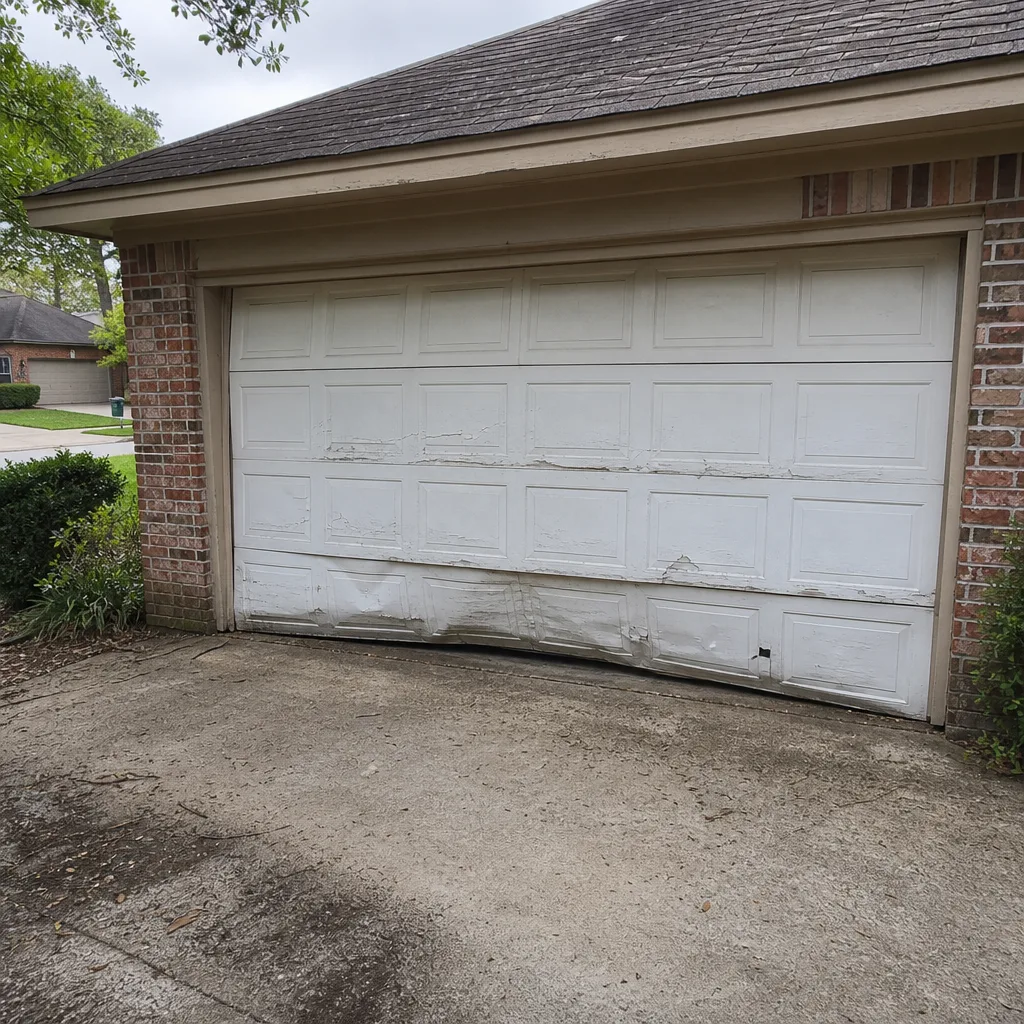 Before
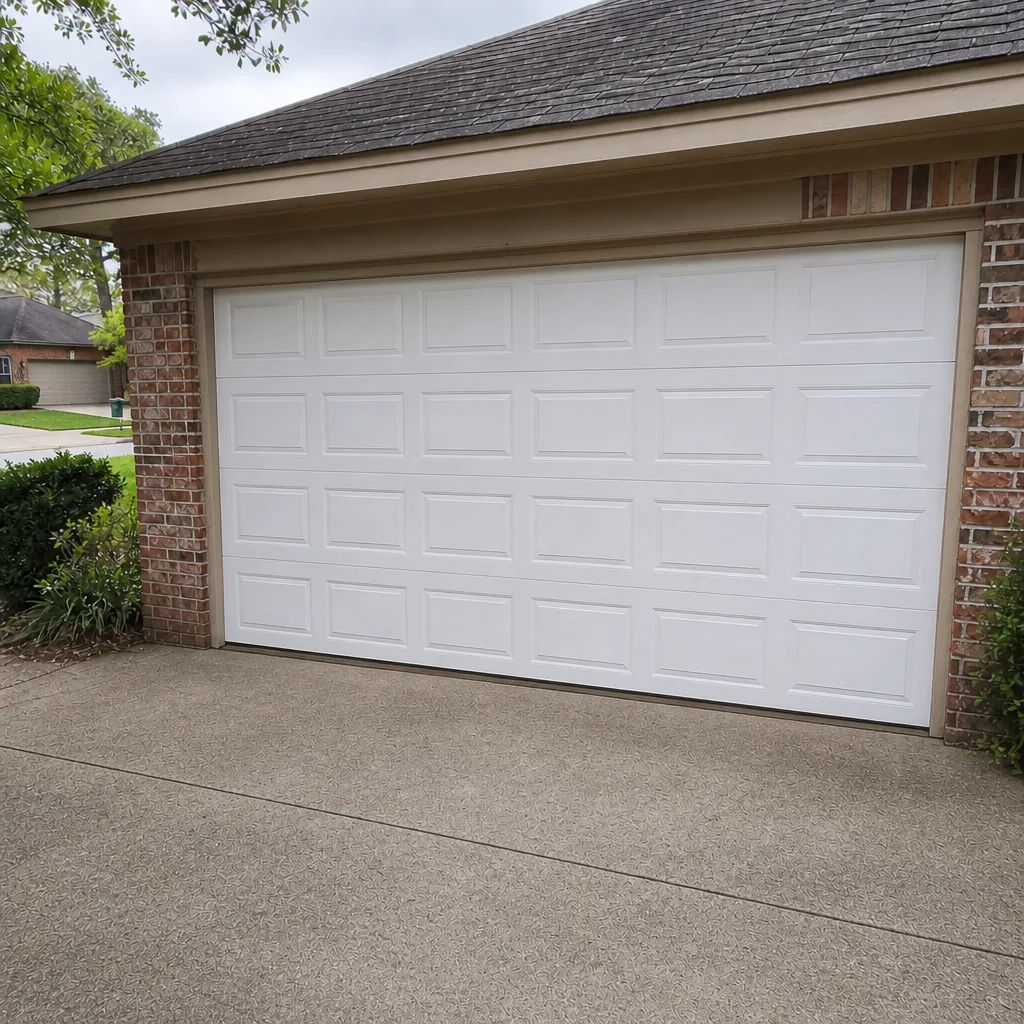 After
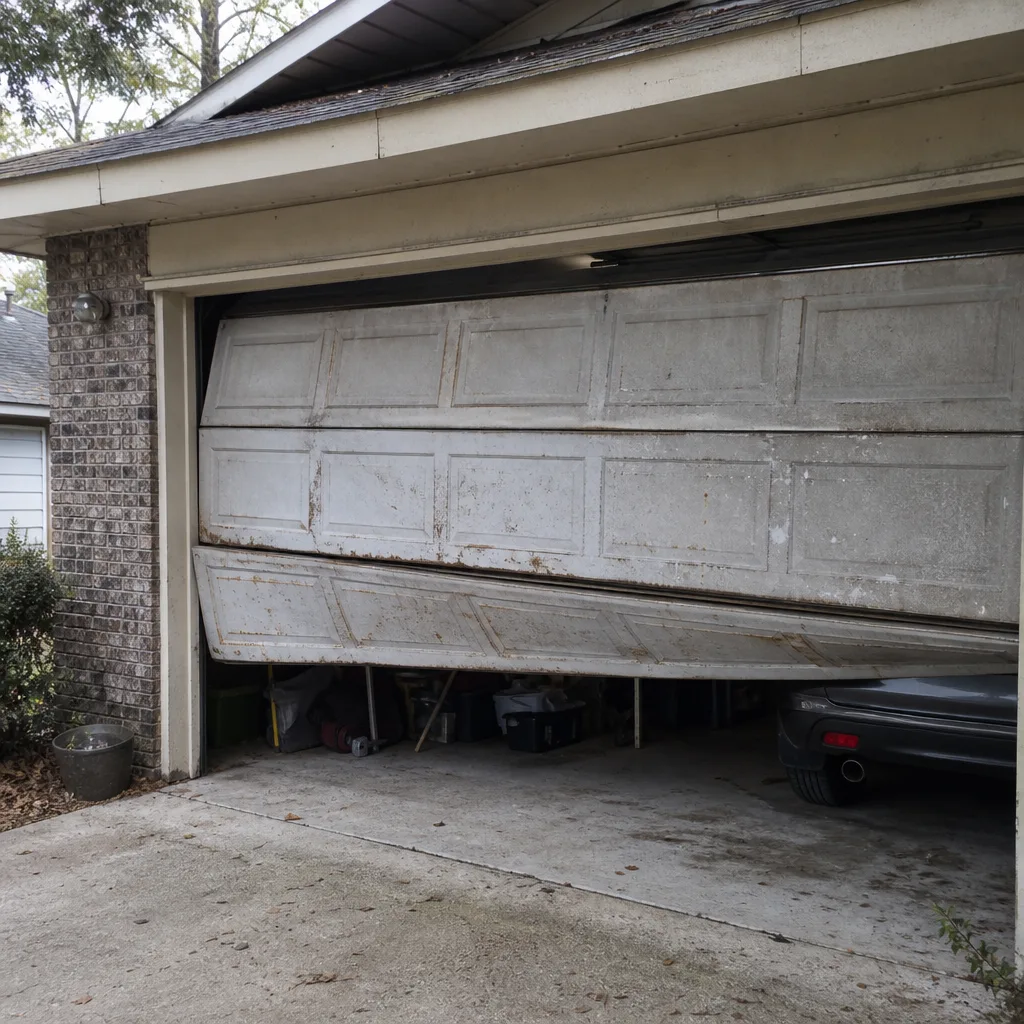 Before
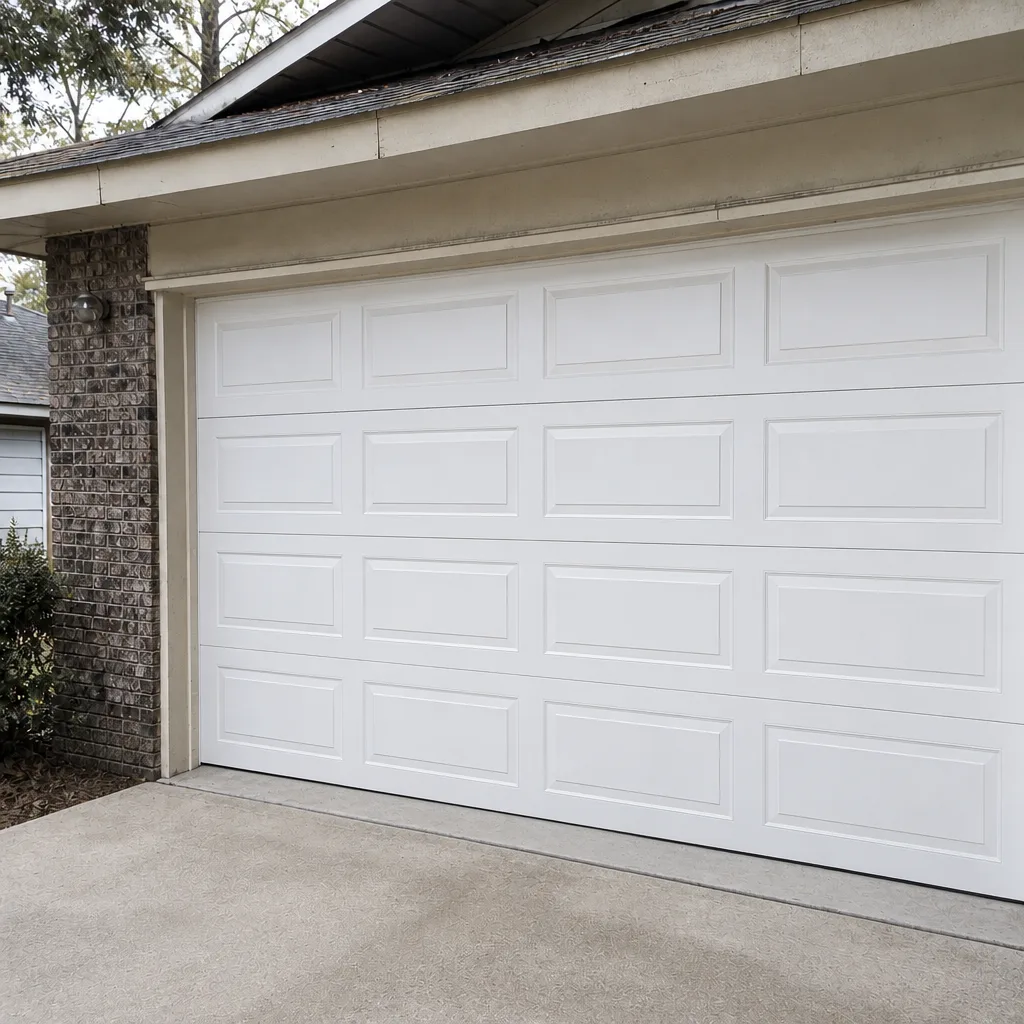 After
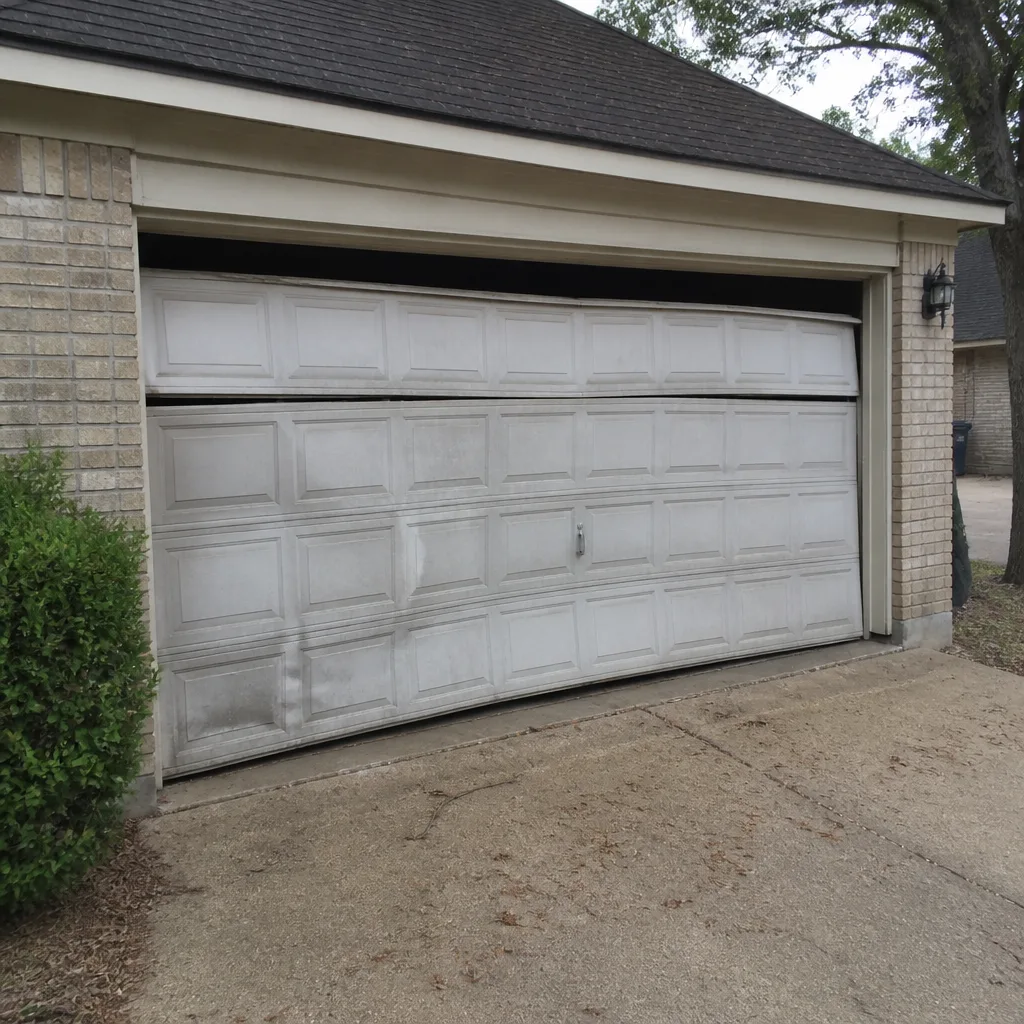 Before
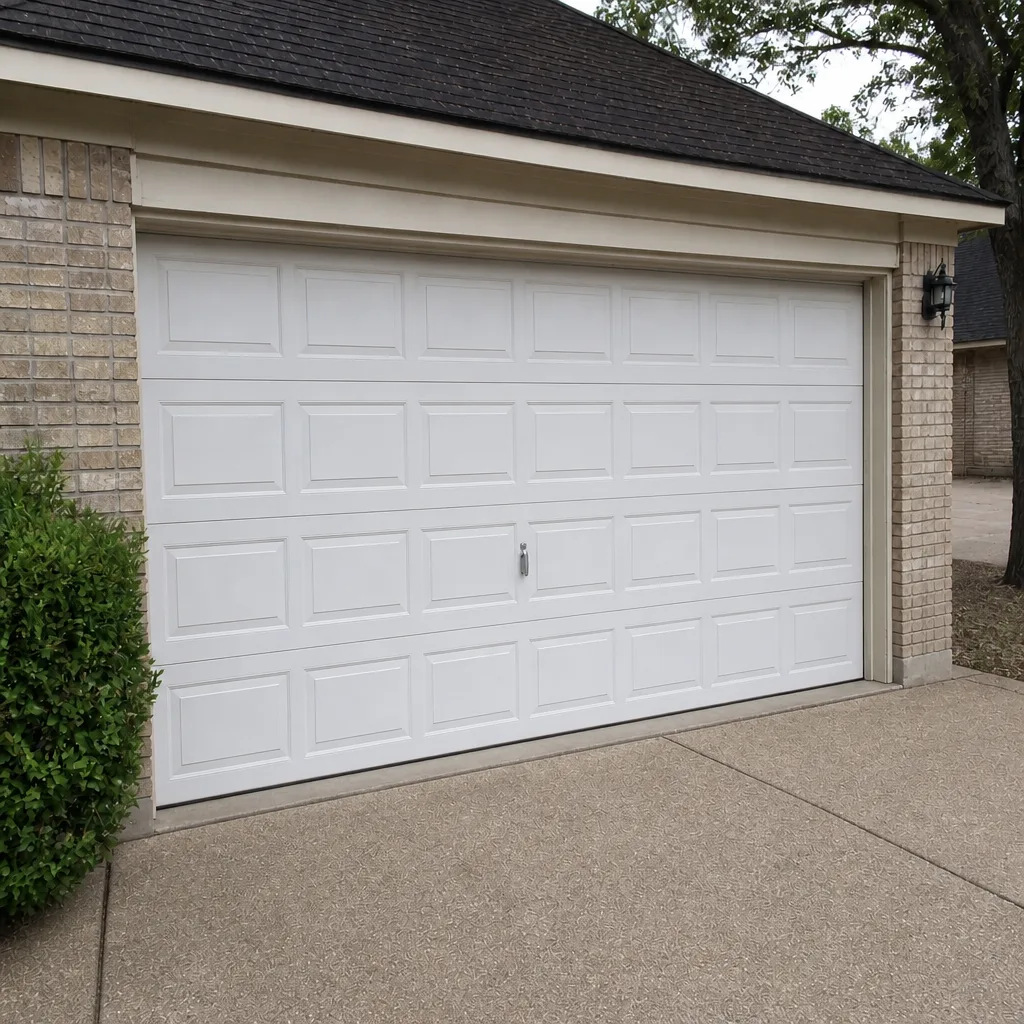 After