
Last updated November 21, 2026
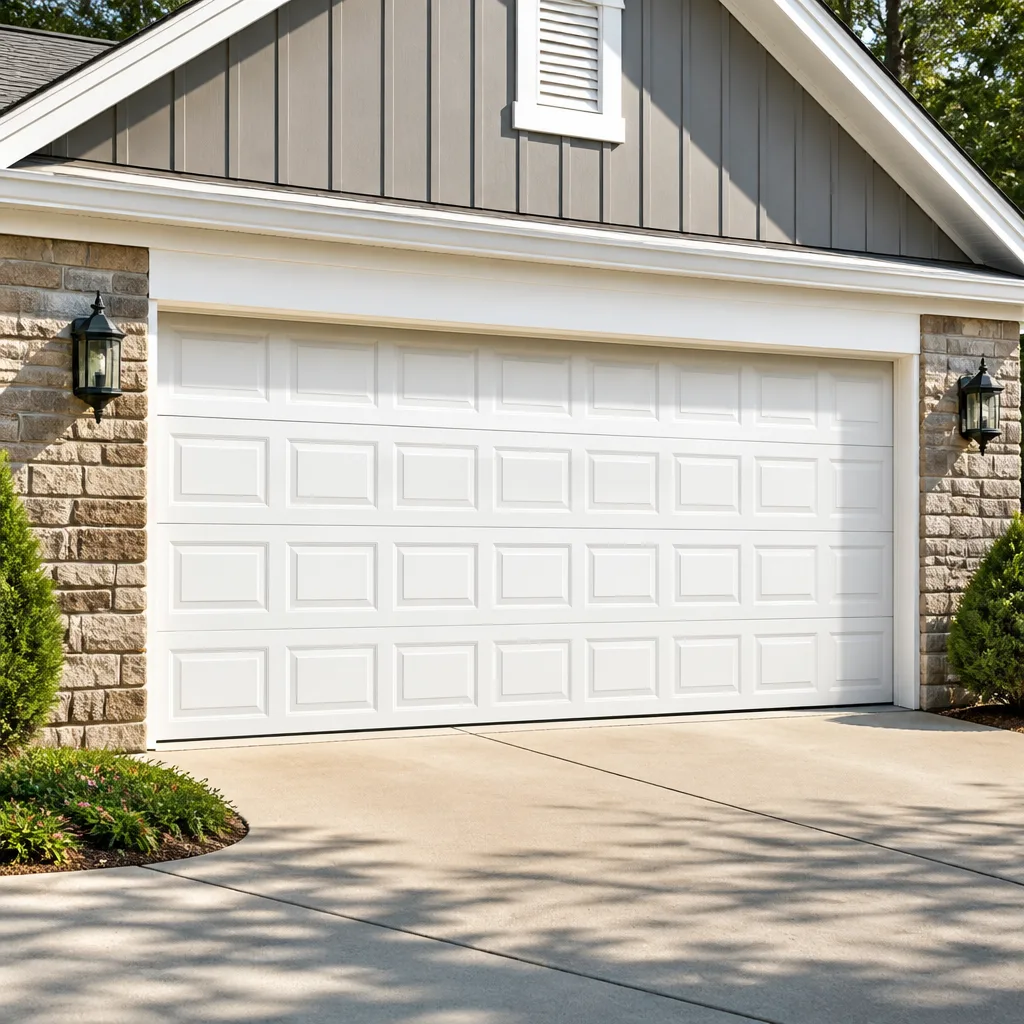 Raised-panel steel
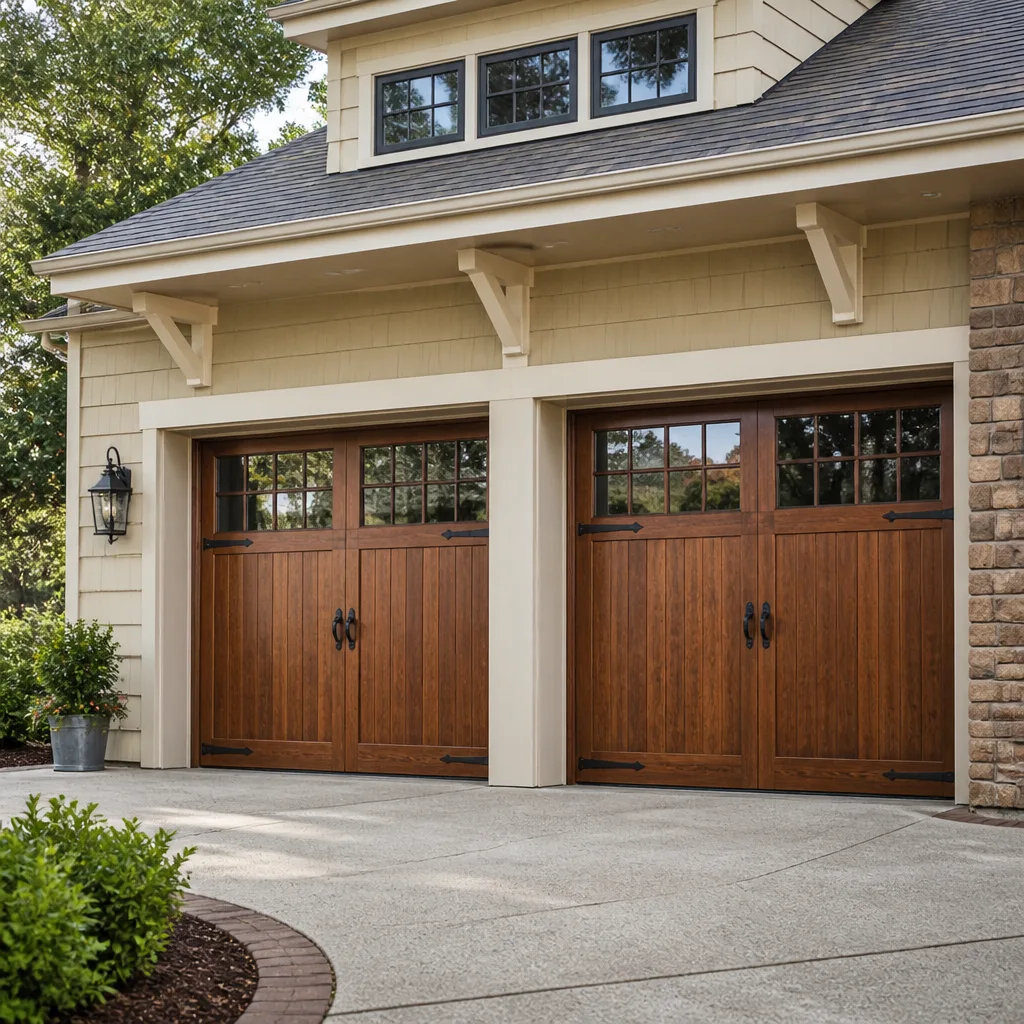 Carriage house
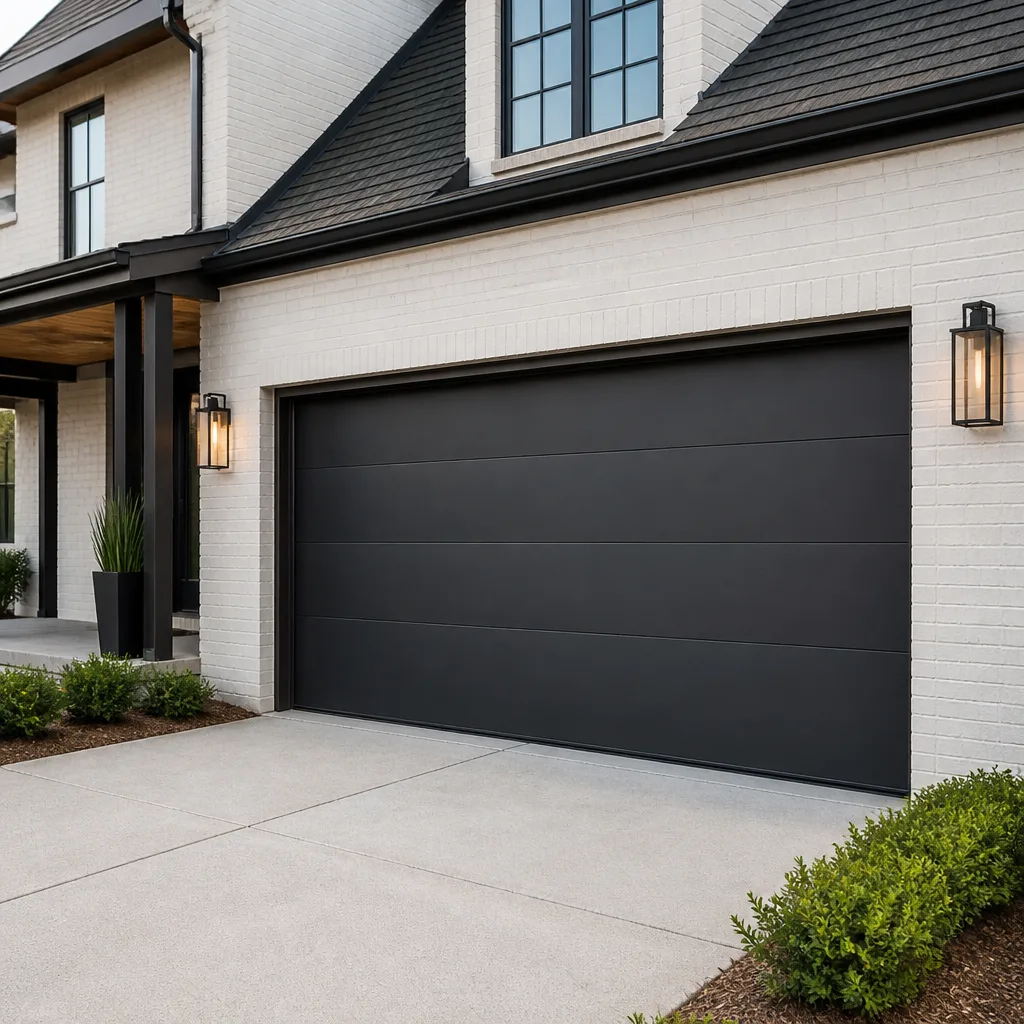 Modern flush
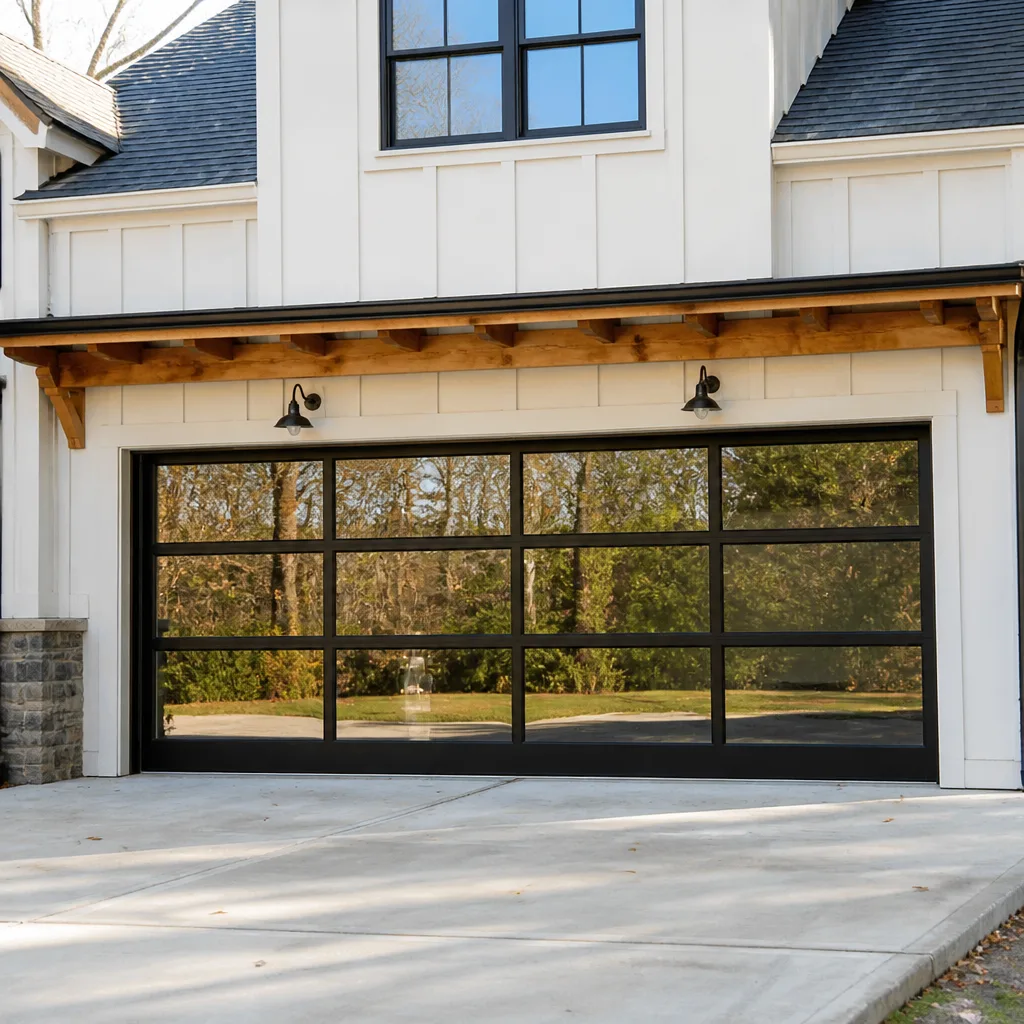 Full-view glass
 LiftMaster openers
 Chamberlain openers
Full 25-point door and opener safety check with every visit - springs, cables, rollers, tracks, and your LiftMaster or Chamberlain opener included
You get a price before we start. It does not change when the pro arrives.
Get your free estimateGarage Door Repair Maintenance Checklist for The Woodlands Homeowners
The call that surprises homeowners most isn’t a snapped spring or a dead opener. It’s the door that “just stopped working” after months of a symptom nobody acted on. A slow roller, a stiff hinge, a bottom seal that stopped sealing two summers ago. In our experience across The Woodlands, nearly every one of those calls traces back to a part that was telling you something for a long time. This guide walks you through the sequence we’d use on our own doors, in the order The Woodlands heat and humidity punish the parts. You’ll learn which components fail first, what to use (and what never to use) on each one, and where a maintenance check stops and a specialist call starts.
Quick Answer
A workable garage door maintenance checklist for The Woodlands runs three rhythms: once a month, check the balance, listen for new noises, and eyeball the bottom seal; every three months, lubricate springs, hinges and rollers and test the safety reverse; once a year, inspect cables, rollers and weatherstripping for wear and tighten hardware. Use a proper garage door lubricant on springs and hinges, never WD-40. Anything involving torsion springs or fraying cables is a service call, not a DIY job.
Styles & brands we work with
- Raised-panel steel
- Carriage house
- Modern flush
- Full-view glass
- LiftMaster openers
- Chamberlain openers
Table of Contents
- Why The Woodlands Climate Changes the Maintenance Calendar
- The Monthly Check (15 Minutes)
- The Quarterly Service (45 Minutes)
- The Annual Inspection (90 Minutes)
- What to Lubricate With, and What Never to Use
- What Worn Parts Look Like Before They Fail
- When a DIY Check Becomes a Service Call
- Opener-Specific Checks: Capacitors, Batteries and Rails
Why The Woodlands Climate Changes the Maintenance Calendar
Most garage door maintenance advice online was written for a four-season climate where the enemy is a hard freeze. That’s not what happens in The Woodlands. What happens here is heat and humidity that never fully take a break, and a lot of pine pollen and yard debris that finds its way into the tracks. Those two pressures hit different parts in different ways, and they hit them faster than a northern calendar would suggest.
Heat does two things to a garage door system. It works on the rubber, and it works on the metals. The bottom seal and the weatherstripping along the sides of the opening are the most exposed rubber on the whole door. In The Woodlands summers they soften, take a set in the compressed position, and slowly stop bouncing back. Meanwhile, the metal of the door panels and tracks expands and contracts through the daily swing between morning and afternoon temperatures. That movement loosens fasteners over time and is one reason hinge screws and track bolts back out quietly.
Humidity adds a second layer. Steel rollers and hinges that should glide pick up surface corrosion in a garage that stays muggy, and a rusty roller stops rolling and starts dragging. When one roller drags, the door racks slightly every time it opens. That’s the beginning of the slow-moving symptom most homeowners only notice months later. The upshot is simple: in The Woodlands, treat rubber and lubrication as consumables on a tighter cycle than a generic checklist recommends.
The Monthly Check (15 Minutes)
The monthly check isn’t about fixing anything. It’s about noticing a change while it’s still small enough to be cheap. Set a reminder, do these five things, and you’ll catch most failures a season before they strand you.
- Balance test. Close the door, then pull the manual release cord to disconnect the opener. Lift the door halfway by hand. A properly balanced door stays put with minimal effort. If it wants to drop or wants to run up, the springs are out of balance and it’s time for a professional look.
- Listen. Run the door up and down a couple of times. Rattle, squeal, a grinding sound, or a thump at the top or bottom of travel are all early warnings. A healthy door is surprisingly quiet.
- Bottom seal eyeball. Look across the rubber at the bottom of the door. It should sit flat and compress slightly against the floor. If it’s flattened, cracked, or leaving daylight under one corner, it’s failing.
- Track check. Walk both tracks and look for debris, spider nests, or anything leaning against the track. Clear it out. Don’t bend the track to force clearance; that’s how doors get out of alignment.
- Visual sweep of cables. Look at the cables running down each side. You’re checking for fraying, kinks, or slack. Don’t touch them. Just look.
Fifteen minutes once a month is the whole ask, and it’s the difference between a maintenance item and a breakdown. In The Woodlands, most homeowners who do just this much skip the panicked call entirely.
The Quarterly Service (45 Minutes)
Every three months, add lubrication and a safety test to the monthly routine. This is where most preventable wear gets knocked down before it becomes a real part failure.
Lubrication by component
- Springs (torsion or extension): a small amount of garage door spring lubricant or white lithium grease worked into the coils. This is a look-and-apply job from a safe distance, never anything that involves tools on the spring.
- Hinges: one drop of white lithium grease or a light garage door lubricant at each pivot point.
- Rollers: a drop at each roller stem. If the rollers are nylon, a light lubricant is enough; if they’re steel, a slightly heavier application.
- Track curves: a light film on the curved section where rollers travel through the radius. Not the entire track. Over-lubricating flat track attracts grit and makes things worse.
Safety reverse test
- Place a roll of paper towels or a piece of 2×4 flat on the floor under the middle of the door.
- Close the door using the wall control.
- When the door contacts the object, it should reverse and return to fully open. If it stops or keeps pushing, the opener’s force settings or safety sensors need attention.
- For openers with photoelectric safety sensors, break the beam with your hand while the door is closing. It should reverse immediately.
If either test fails, don’t keep running the door until it’s sorted. That’s one of the clearest crossings from maintenance into garage door opener repair, and it’s worth getting looked at promptly rather than adjusting settings yourself.
The Annual Inspection (90 Minutes)
Once a year, do a deeper pass. This is also when you should call in a specialist if you want a professional eye on the whole system without doing the inspection yourself. By the end of the year in The Woodlands, rubber has had a full hot season to age, hardware has had 365 days of thermal movement, and your opener has cycled thousands of times.
- Hardware tighten: check and snug every hinge screw, bracket bolt, and track bolt. Don’t overtighten; you’re just taking out the looseness.
- Roller inspection: look at each roller. Worn rollers are flattened, cracked, or noticeably wobbly on the stem. Replace in sets when they’ve served their time rather than one at a time.
- Cable inspection: look for fraying, broken strands, or rust. Cables under tension are dangerous; don’t unhook them or wiggle them. Note the condition and hand it over.
- Weatherstrip and bottom seal: check the sides and top. Replace if the rubber is cracked, stiff, or pulling away.
- Panel and paint check: look for bubbling paint, rust spots, or cracks in the panel. In The Woodlands’ humidity, small paint failures turn into rust, so touch-ups matter.
- Opener hardware: check the hanging brackets, the rail bolts, and the chain or belt tension per the opener’s manual.
If you’d rather have a trained set of eyes do all of this, that’s a straightforward Sunday-through-Friday appointment. Call (855) 812-9394. We answer 24/7.
What to Lubricate With, and What Never to Use
This is where more damage happens in The Woodlands than from any other maintenance habit. “Lubricate the springs” appears on every checklist, and everyone reaches for the can of WD-40 in the garage. That’s the wrong tool for almost every part on the door.
Use these
- White lithium grease: the standard for hinges, rollers, and the curved track. Thick enough to stay put in the heat, thin enough to work into pivots.
- Garage door spring lubricant: purpose-made for torsion and extension springs. Clings to the coils and doesn’t run off in a summer garage.
- Silicone spray: a good option for weatherstripping and the bottom seal, and for nylon rollers when you want something lighter. It also helps keep rubber from drying out.
Avoid these
- WD-40 on springs, hinges or rollers: it’s a solvent-heavy water displacer that cleans off the grease that was actually doing the work. It evaporates and leaves parts drier than before. It’s fine on the lock cylinder and on rusty bolts, nothing else.
- Thick grease (bearing grease, axle grease) on the tracks: attracts grit, holds pine pollen, and turns your track into a gummy mess that clogs the rollers.
- Chain lube on the door itself: chain lube belongs on the chain or belt of the opener, not on springs or hinges.
Follow that split and you’ll head off the majority of the “delayed failure” calls we see around The Woodlands. Get it right the first time and you spend less time on the phone.
What Worn Parts Look Like Before They Fail
The trick to this whole checklist is recognizing wear visually before it becomes a hard failure. Here’s what to look for, part by part, so you know what you’re seeing in your own garage.
Worn rollers
A healthy roller is round and turns freely on its stem. A worn one is flattened on one side, cracked across the bearing area, or wobbling visibly as the door moves. If a roller is “sticking” through one spot on the track, that’s the shape you’ll see. Replacing rollers in sets before they fail prevents the racking and rattling that shortens the life of hinges.
Fraying cables
Cables run vertically along each side under significant tension. When a cable is starting to fail, a handful of strands will break loose and look like a small brush or fuzz near the drum at the top. You may also see a slight kink where the cable has jumped its original lay. Any fraying at all is a service call, because a cable that snaps can whip violently.
Compressed weatherstripping
Weatherstripping and the bottom seal should look full and rubbery. When they’ve taken a permanent set, the rubber looks flat, ribbon-like, or has a hard sheen. You may see cracks at the corners where it compresses most. The visible test: daylight, water, or wind through the edges of the door.
When a DIY Check Becomes a Service Call
Some maintenance is homeowner territory. Some is genuinely dangerous, and this is the line that matters most in a guide like this one. Springs and cables are under very high tension, and an injury from a torsion spring letting go can be severe. Nothing on this checklist asks you to work on a spring or unhook a cable. Those are look-only items.
Stop checking and call a specialist if you find any of the following:
- A snapped spring: the door may still be attached to the opener, which will try to lift a door it can’t lift. Don’t run the opener until it’s inspected.
- Any fraying, kink or slack cable. Don’t touch it, don’t try to reset it on the drum.
- Balance test failure (door drops or runs up on its own when disconnected).
- Safety reverse not working after you’ve checked that the sensors are aligned and clear.
- A visibly bent or separated track, or a door that comes off one roller.
- Grinding or a seized roller that resists after lubrication.
- Any sign the door has dropped unevenly (one side lower than the other when open).
Our technicians have up to 8 years of experience on both torsion and extension systems, and this is the sort of thing you want a trained specialist handling. We handle garage door repair across The Woodlands, and we can also source the parts for something like a bent hinge or a worn roller so you’re not waiting on a third-party order.
Opener-Specific Checks: Capacitors, Batteries and Rails
The door gets all the visual attention, but the opener has its own wear path. LiftMaster and Chamberlain openers in The Woodlands tend to run into the same three issues as they age, and Genie and Raynor units have their own versions of the same problems. Knowing what to look for keeps you ahead of them.
Capacitors
Older openers with a start capacitor will sometimes hum or click when you press the button and fail to move the door. That’s often the capacitor, not the whole unit. It’s a repair rather than a replacement, and it’s exactly the sort of diagnosis we’d rather make before deciding the opener is finished. Don’t open the opener housing yourself; the capacitor can hold a charge even after the power is off.
Remote batteries and wall controls
If one remote stops working but the wall control still operates the door, it’s almost always the battery. If the wall control also stops working, look at the logic board and the safety sensor alignment. Replace the batteries in remotes and any keyless entry keypad about once a year, whether it seems dead or not.
Chain and belt tension
Chains on LiftMaster and Chamberlain openers should have a small amount of slack (check your manual for the exact spec). Belts should be tighter. A mis-tensioned chain or belt is noisy and wears out the sprocket faster, and it’s a simple adjustment. If you’re not sure, we’re happy to check it during a routine visit.
When an opener issue is beyond adjustment or battery replacement, we do garage door opener repair on all the major brands. When it’s time for a new unit entirely, we also handle garage door installation with the same brands we service, so the new opener matches your existing door and your expectations.
Common Mistakes to Avoid
- Spraying WD-40 on the springs or hinges. It strips the actual lubricant off and leaves parts drier. Use a spring-specific lubricant or white lithium grease instead.
- Greasing the entire track. In The Woodlands, that just glues pine pollen and grit to the metal. Lubricate the curved section, leave the flat track mostly dry.
- Ignoring a slow-moving symptom. Rattle, grind, or a door that hangs on one side while opening is your six-month warning. Addressing it early is nearly always cheaper than waiting for the failure.
- Tightening a track to “fix” a scraping door. A bent track that’s been forced back into shape is no longer a track you can trust. Leave track alignment to a specialist.
- Replacing one worn roller at a time. When rollers start to go, they’ve all gone the same distance. Replace in sets.
- Skipping the safety reverse test. It’s 90 seconds of your month and it’s the single most important safety check on the door.
- Using a general handyman for spring or cable work. The savings you think you’ll get are usually an illusion. These are the jobs a specialist should always handle.
See the difference
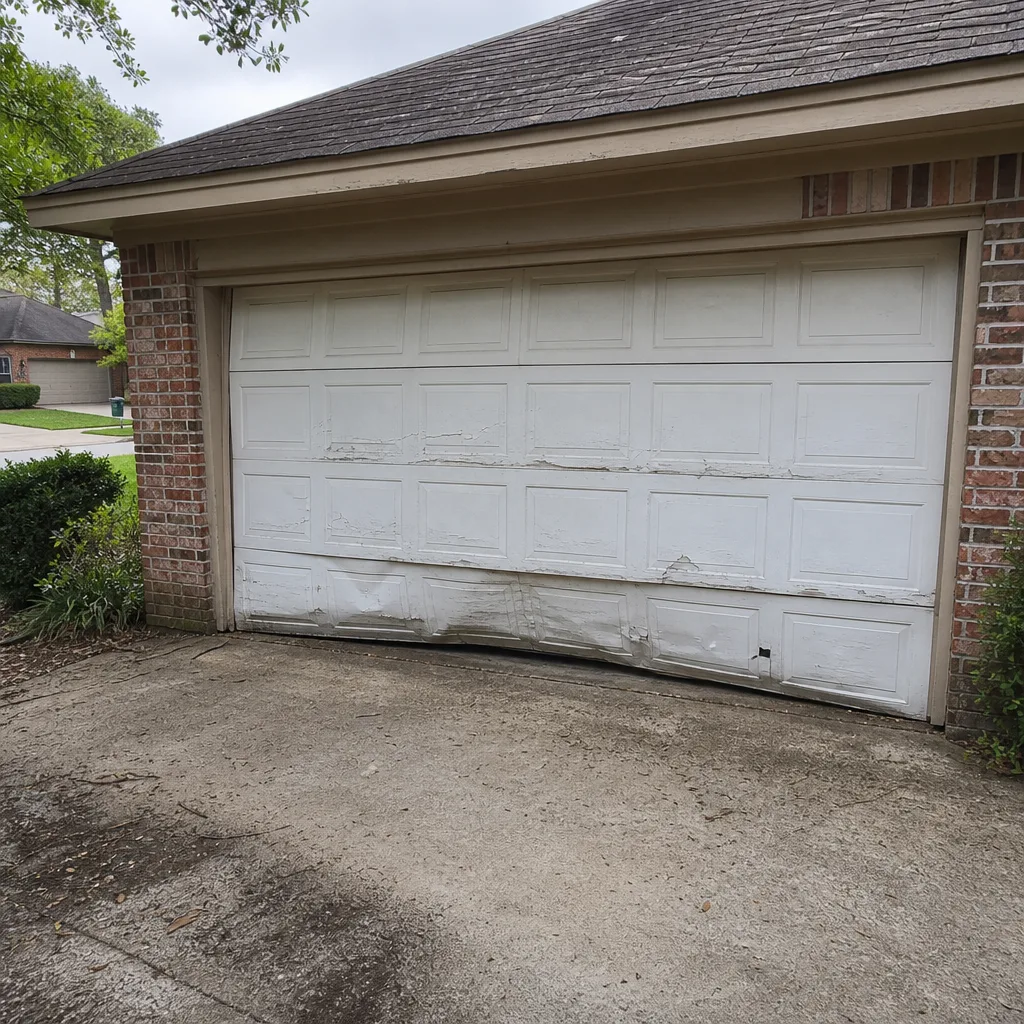 Before
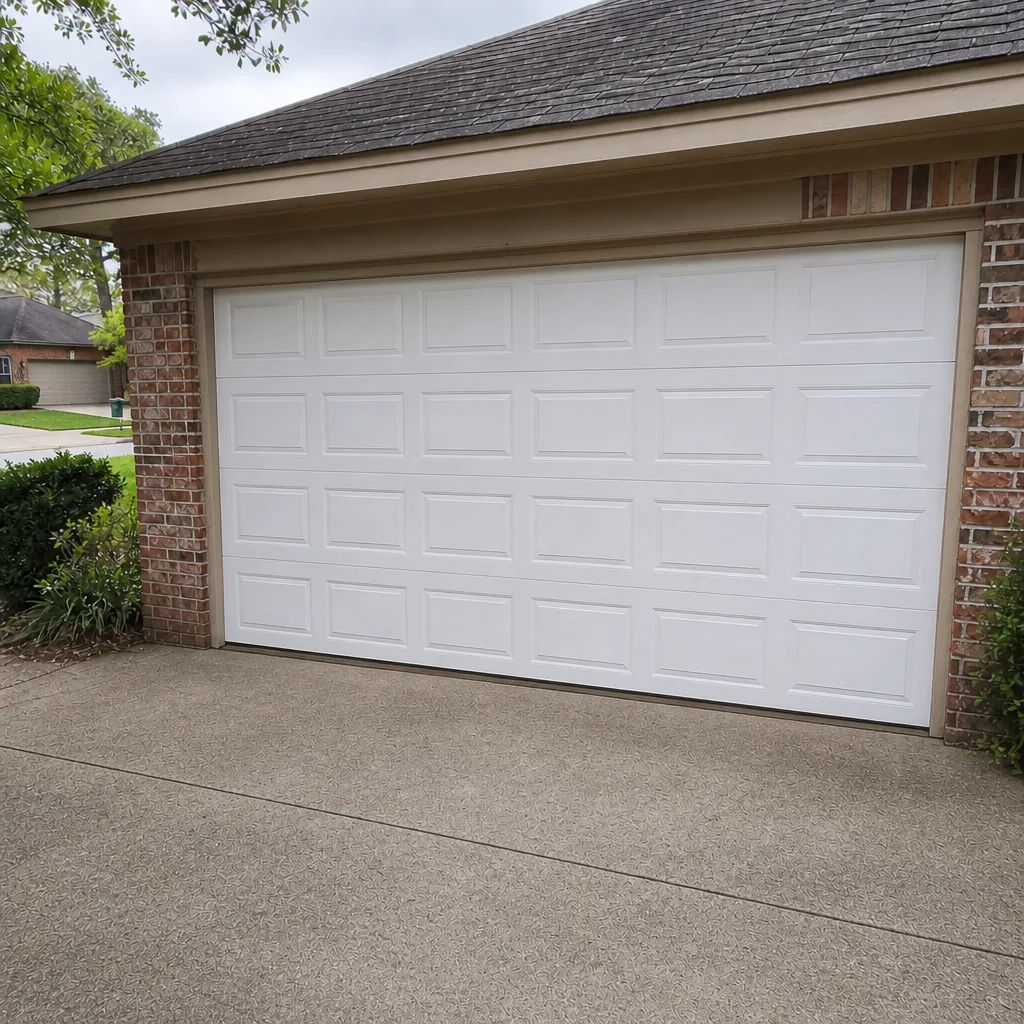 After
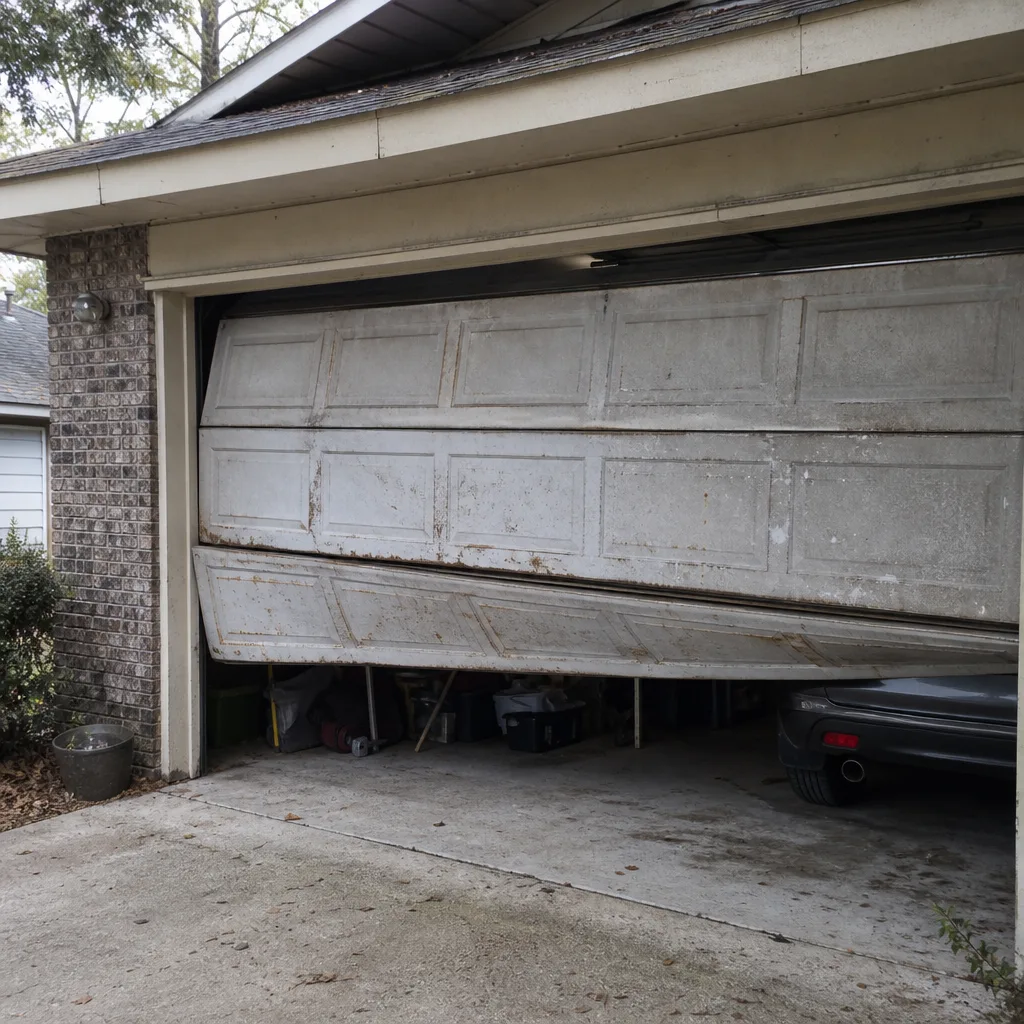 Before
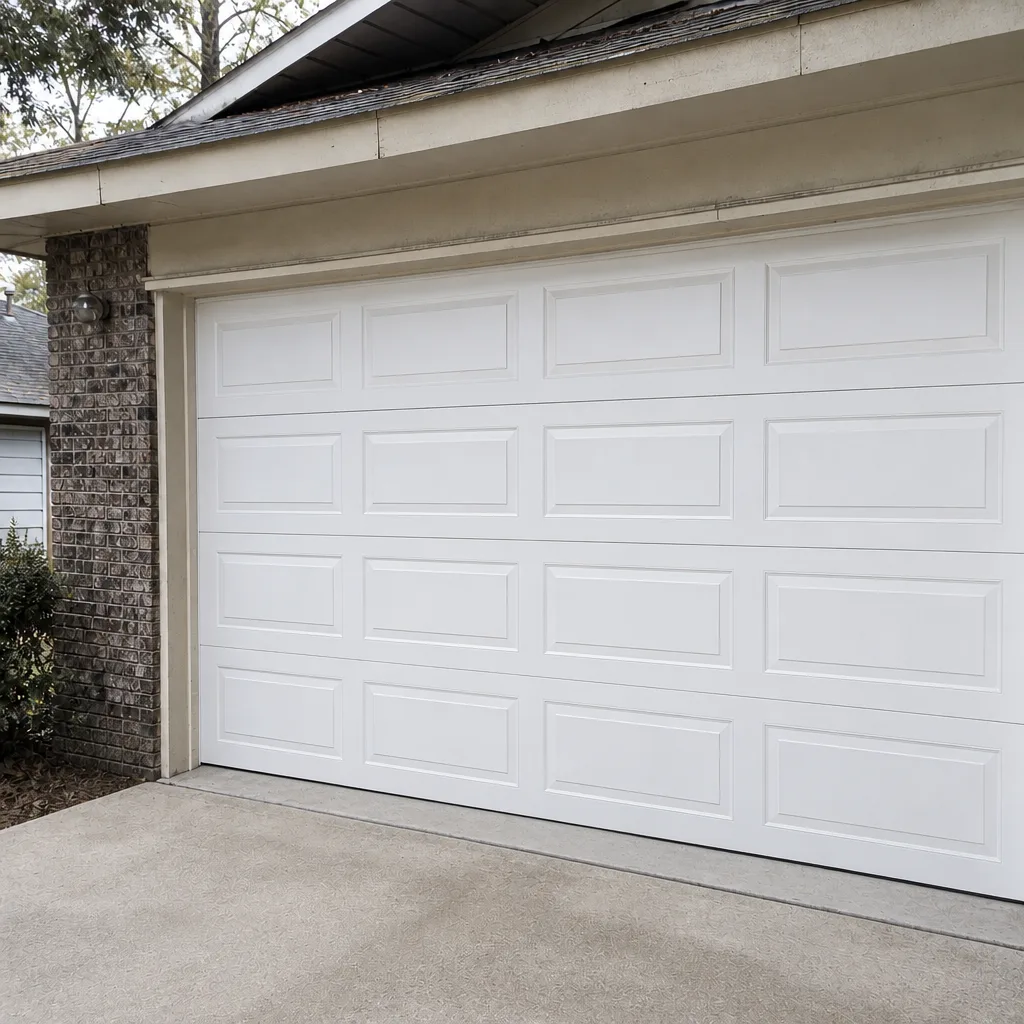 After
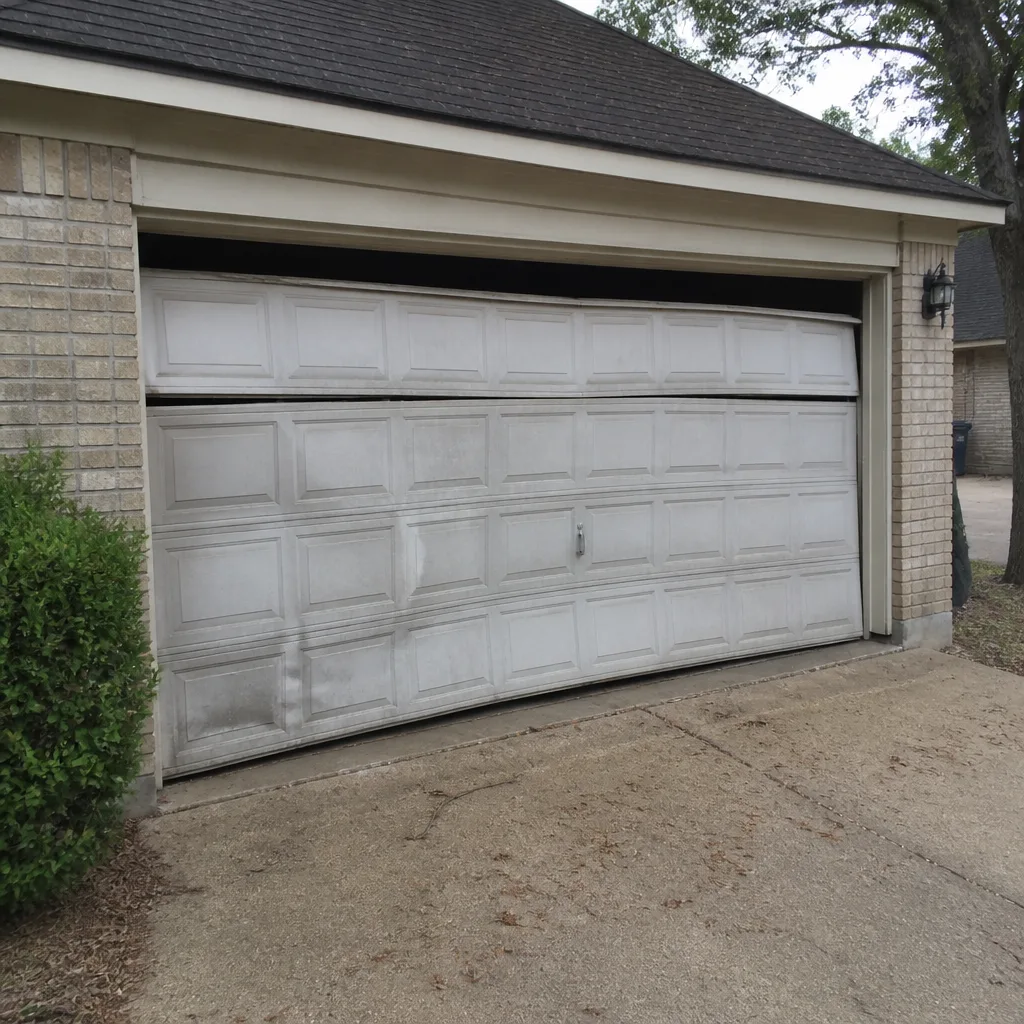 Before
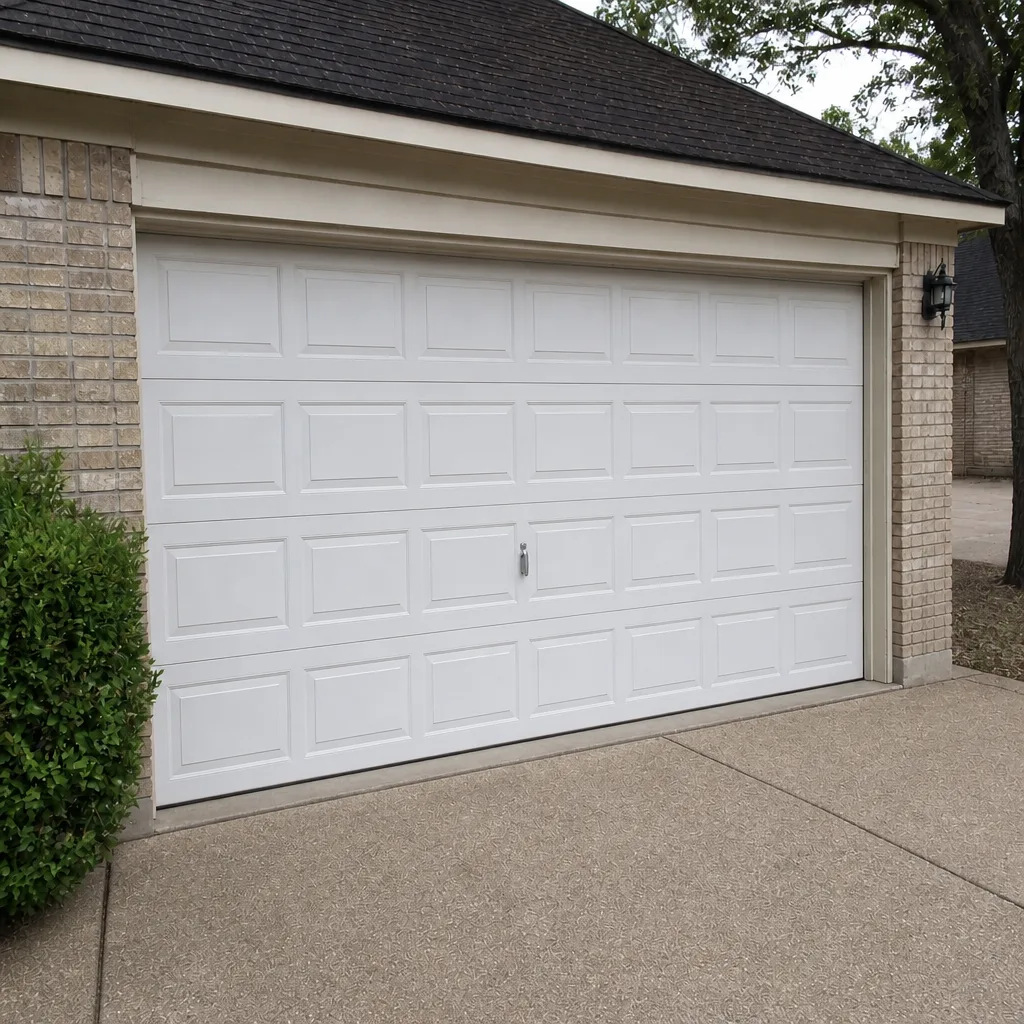 After
When to Call a Professional
Call a professional the moment any of the following comes up: any spring or cable concern, a door that fails the balance test, a safety reverse failure, a bent track, a panel that’s pulling away from hardware, or an opener that hums without moving. Don’t keep running the door hoping the sound clears up. In The Woodlands, we’d rather take a look before it fails than after. The Woodlands Garage Door Repair Co offers free estimates in The Woodlands. Call (855) 812-9394. We answer 24/7, with fast dispatch from 7am to 7pm, Sunday through Friday. If a call comes in outside those dispatch hours, we book it into the next opening.
Frequently Asked Questions
Monthly for a quick visual and balance check, every three months for lubrication and safety testing, and once a year for a full inspection of rollers, cables, weatherstripping and hardware. The Woodlands heat and humidity wear rubber and lubrication faster than a four-season climate, so staying on that rhythm is what keeps a door out of the failure column.
No. We’re closed Saturday and open Sunday through Friday, 7am to 7pm. Call (855) 812-9394 to book a visit. We answer 24/7.
A purpose-made garage door spring lubricant or white lithium grease worked lightly into the coils. Never use WD-40, which strips existing lubricant and leaves the spring drier than it started. Any lubricant application to a torsion spring is a look-and-apply job from a safe distance; never disassemble or put tools on a spring under tension.
No. Torsion and extension springs are under very high tension, and a spring that lets go can cause serious injury. This is one of the clearest “call a professional” lines on the checklist. Our technicians have up to 8 years of experience with both systems, and we handle spring repair as a specialist job rather than as a general handyman task.
Flattened or cracked rollers, visible wobble on the stem, a sticking point as the door travels, or increased noise. Replace in sets rather than one at a time. If the noise continues after lubrication and a set of new rollers sounds like a bigger job, that’s a door inspection rather than a roller swap.
Yes. Keeping the installer and the repairer the same avoids mismatched work between the door, the springs and the opener. We handle garage door installation for new openers and doors alongside repair, so there’s one company accountable for both sides. Call (855) 812-9394 for a free estimate. We answer 24/7. Fast dispatch from 7am to 7pm, Sunday through Friday.
The Bottom Line
Garage door maintenance in The Woodlands is mostly rhythm and vigilance, not skill. Do the fifteen-minute monthly check, keep the quarterly lubrication and safety test on a proper product, and take the annual inspection seriously. Watch for the visual tells: worn rollers, frayed cables, compressed weatherstripping. Anything involving springs or cables stops the checklist and becomes a specialist call. Get it right the first time and your door will keep working through the next decade of The Woodlands summers without a mid-week breakdown. When you need a hand, we’re a call away.
Contact
A door that’s quiet, well-balanced and properly lubricated is a door you don’t think about. When something on this list turns into a repair, we’re the specialist that handles the whole job: springs, opener, panels and parts. The Woodlands Garage Door Repair Co handles the full range of work across The Woodlands. Call (855) 812-9394 for a free estimate. We answer 24/7, with fast dispatch from 7am to 7pm, Sunday through Friday. Garage doors are all we do; if it stops working, we can get it right.
Written by the team at The Woodlands Garage Door Repair Co.