
Last updated November 21, 2026
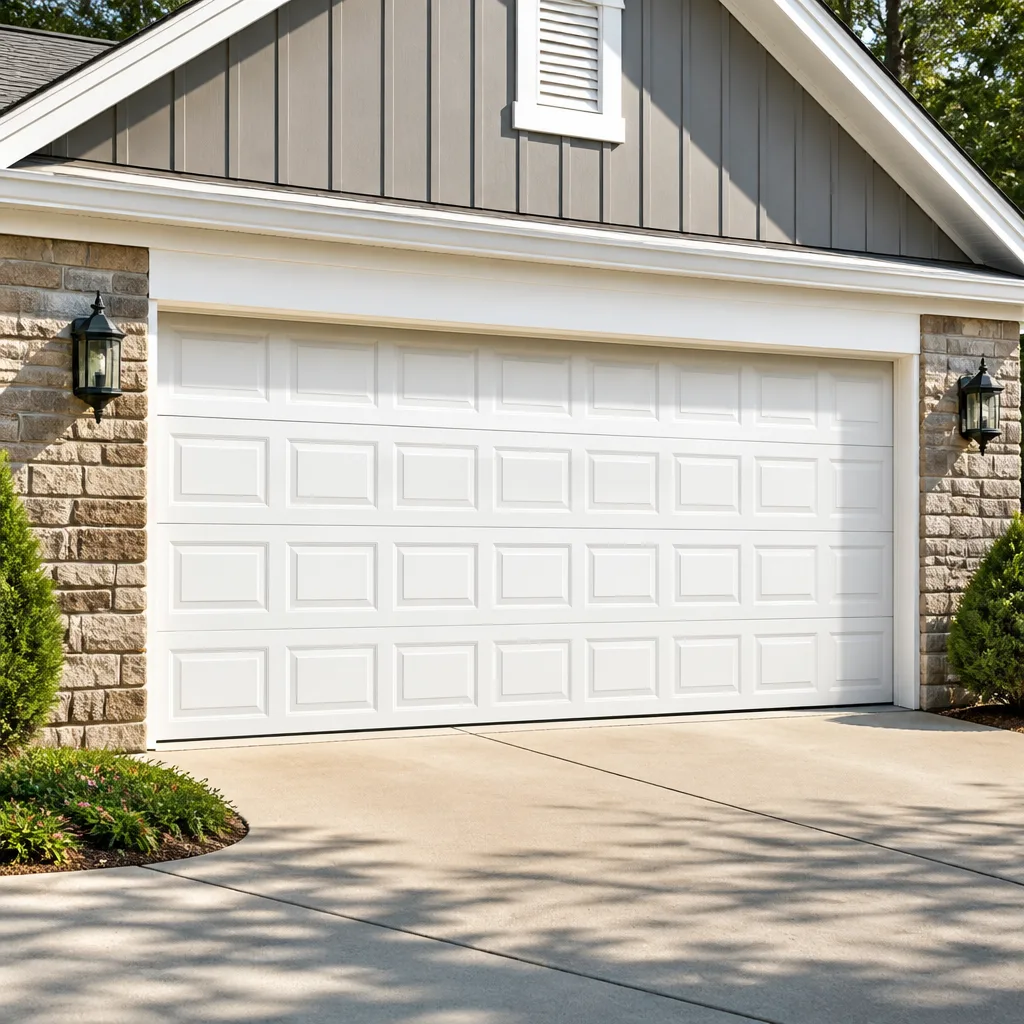 Raised-panel steel
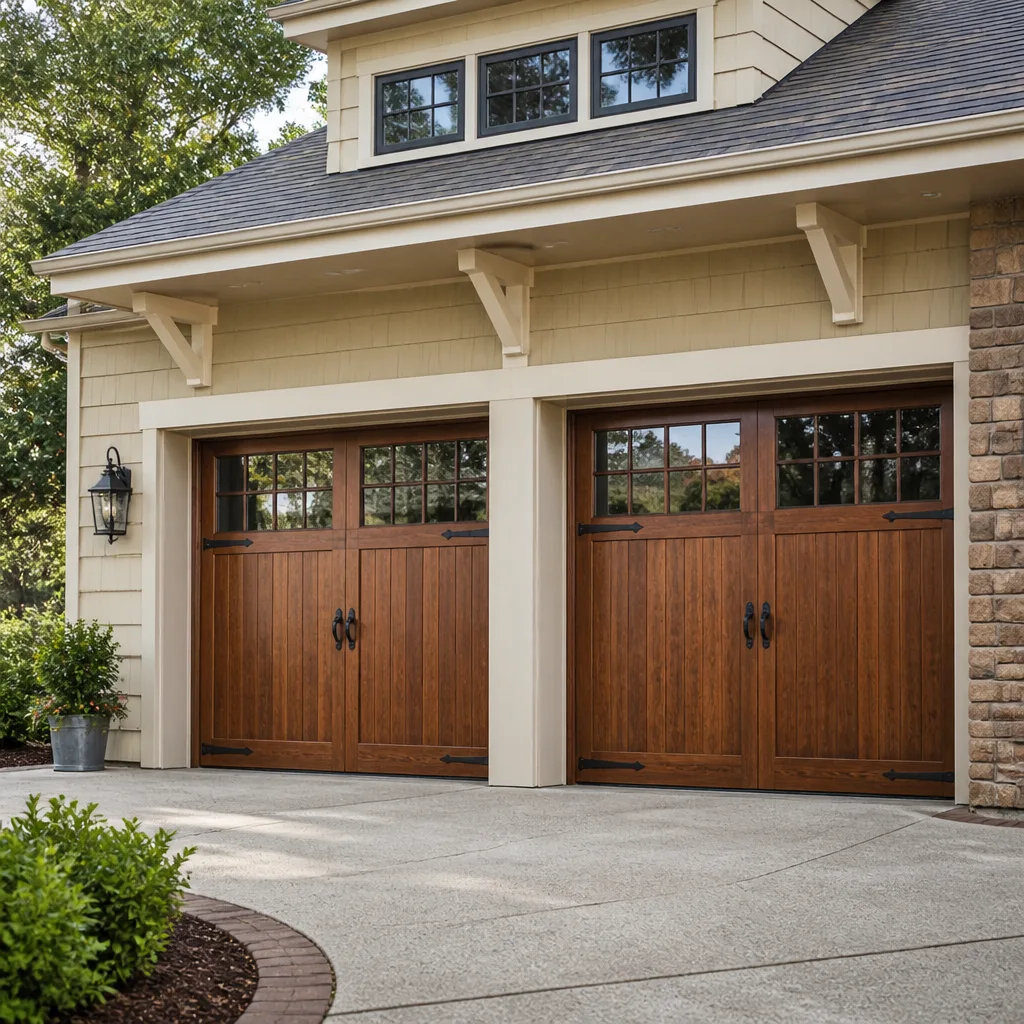 Carriage house
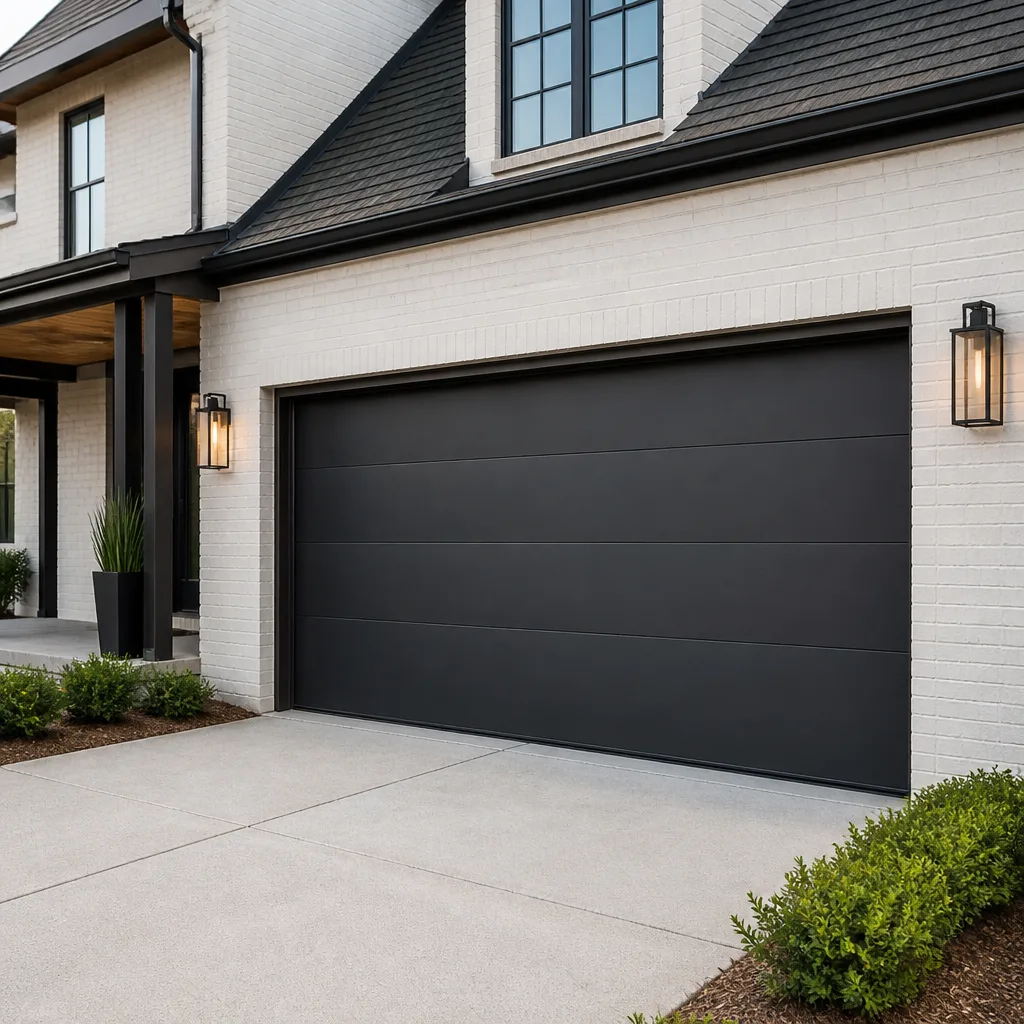 Modern flush
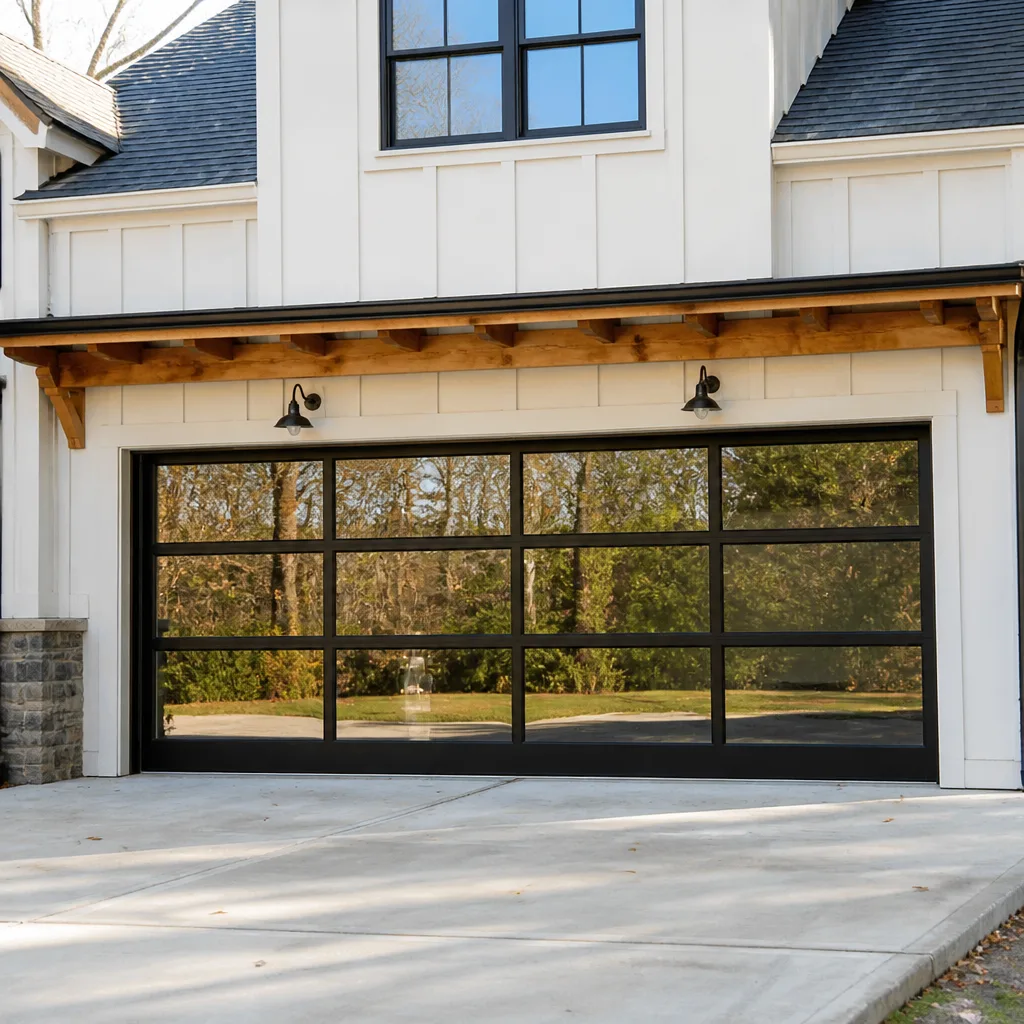 Full-view glass
 LiftMaster openers
 Chamberlain openers
Full 25-point door and opener safety check with every visit - springs, cables, rollers, tracks, and your LiftMaster or Chamberlain opener included
You get a price before we start. It does not change when the pro arrives.
Get your free estimateGarage Door Warning Signs: A The Woodlands Homeowner’s Reference Guide
A garage door doesn’t snap a spring without warning. It tells you first, in sounds, in speed changes, in how the door feels when you pull the emergency cord. Most homeowners just don’t have the vocabulary to recognize what they’re hearing. The door groans, squeaks, jerks, or slows down, and it gets dismissed as normal until the day it stops entirely. That gap between the first symptom and the total failure is usually weeks, sometimes months, and it’s where a homeowner in The Woodlands can save themselves real trouble. This guide gives you the vocabulary. You’ll learn to separate a harmless chirp from a failing torsion spring, understand what each sound points to, and know when a door needs a same-day call versus a spot on this week’s schedule.
Quick Answer
The most serious garage door warning signs are a snapped torsion spring (loud bang, door won’t lift), a visibly fraying or kinked cable, a door that reverses without hitting anything, and a door that has lost its balance test. Those four mean stop using the door and call a specialist today. Grinding, popping, slapping, and scraping sounds are earlier-stage warnings that usually mean rollers, hinges, springs, or track alignment need attention, and most can be fixed within a few days. A garage door in The Woodlands rarely fails without at least one of these signals showing up first.
Styles & brands we work with
- Raised-panel steel
- Carriage house
- Modern flush
- Full-view glass
- LiftMaster openers
- Chamberlain openers
Table of Contents
- What Each Garage Door Noise Is Telling You
- Visual Warning Signs by Component
- Behavioral Warning Signs: Reversing, Slowing, Double-Clicks
- The Balance Test You Should Do Every Month
- The Woodlands Climate and What It Does to Your Door
- Urgency Triage: Schedule This Week vs. Stop Using the Door
- Opener Brand Quirks Worth Knowing
- Simple Habits That Extend Door Life
What Each Garage Door Noise Is Telling You
Sound is the earliest warning sign a garage door gives you, and it’s the one homeowners have the least vocabulary for. A healthy door running on good rollers makes a soft, even hum. It should sound the same from the first inch of travel to the last. When the sound changes, the change is diagnostic. Here’s how to decode the four noises we hear most often in The Woodlands.
- Grinding. A dry, grating, metal-on-metal rasp usually points to worn rollers or dry hinges. Rollers with worn bearings drag inside the track instead of rolling smoothly. It’s the most common noise and the least urgent. Grinding that gets worse over a few weeks and starts to sound rhythmic is the door asking for fresh rollers before the track takes damage.
- Popping. A single snap or pop as the door starts to move, sometimes repeating partway up, usually points to spring tension imbalance. On torsion spring systems, the cables may be slack on one side or the spring itself may be fatigued. This one moves into the danger column quickly. A popping noise that repeats should get a technician’s eyes on the springs before you keep running the door.
- Slapping. A flat, rhythmic slap against the track or between panels usually means loose panel hardware. Bolts work loose, brackets flex, and panels start moving independently. It’s not dangerous yet, but loose hardware grinds panel joints and can eventually stress the door’s frame. Tightening it now is cheap.
- Scraping. A long continuous scrape as the door travels means track misalignment. The panel is dragging on the track instead of rolling inside it. Track alignment costs far less to fix before it has bent the door’s hinges or gouged a panel edge. Scraping also puts stress on the opener, because the opener is now fighting friction it wasn’t designed for.
One more noise worth listing separately: a single loud bang from the garage, followed by a door that won’t open or hangs crooked. That’s the sound of a torsion spring breaking. Stop there. Don’t try to lift the door, and don’t press the button again.
Visual Warning Signs by Component
You don’t need to disassemble anything to spot most door problems. A few minutes of looking, in the right places, tells you a lot. Do the visual walk-around with the door closed and the opener unplugged, or with the door fully open and the gear engaged. Never reach into the spring mechanism or the track while the door is moving or under tension. Those parts can cause serious injury, so this walk-around is about noticing, not fixing.
Cables
A cable starting to fail looks like a strand or two has broken loose and now curls out from the main braid like a small wire hook. A healthy cable is a smooth, even braid from end to end. A failing cable may also look kinked, frayed at the drum, or bunched unevenly where it wraps. If you see any of that, stop using the door. Cables under tension snap without warning once the remaining strands give out.
Torsion spring
Look at the coiled spring on the shaft above the door, if your door has one. A stress crack shows up as a small bright line or a gap in the coil. The spring should look continuous. A single visible gap in the coil is often the crack that precedes the break. You can also look for a clean break, where the two halves have separated. Either way, the door shouldn’t be run until it’s inspected.
Opener trolley and rail
The trolley is the carriage that rides along the rail and connects to the door arm. A trolley about to fail often shows visible wear: a cracked carriage body, worn teeth on the gear inside, or an arm with a bolt that’s backing out. Look at the rail too. If the trolley is grinding along the rail instead of gliding, the rail may be bent or the gear is wearing through. On a LiftMaster or Chamberlain belt-drive unit the rail is usually quiet; if it starts to sound like a chain drive, that’s a warning.
Panels and hinges
Stand inside the garage and sight down the closed door from one side to the other. The door should be flat and straight. A panel that’s bowing or a hinge that’s separating from the stile shows up as a visible kink. Panels that look fine closed but separate when the door is halfway up need immediate attention; that’s panel binding against the track, and running it can bend the door beyond repair.
Behavioral Warning Signs: Reversing, Slowing, Double-Clicks
Behavior tells you as much as sound and sight. These three patterns are the ones homeowners describe most often when they call, and each points to something different.
- A door that reverses for no reason. If the door closes, stops, and goes back up without an obstruction, the first thing to check is the safety sensor path. Something is breaking the beam: a cobweb, a shifted sensor bracket, a leaf, or the door’s own shadow on a bright day. If the sensors are clean and aligned and the door still reverses, the limit settings in the opener are likely drifting, or the opener’s travel module is failing. A door that reverses for no reason is a “call soon” issue, not a “stop using it” issue, but it should be diagnosed, because the safety system isn’t doing its job.
- A door that opens slower on cold mornings. Here in The Woodlands, mornings in the 40s are about the coldest most garages see, and a door that runs slower in that window usually has aged lubricant or a tired spring. Cold thickens the grease and stiffens a fatigued spring, so the door runs heavier. If it’s slower on a 45-degree morning but normal by noon, it’s an early spring or lubricant warning. If it’s slow on every cycle, regardless of temperature, it’s the spring or the opener, not the weather.
- A door that takes two button presses. The door moves an inch and stops, and the second press gets it going. That usually points to an interference issue between the remote and the opener, a failing remote battery, a worn opener gear, or a sensor misalignment that the opener is correcting mid-cycle. It’s a nuisance early and a reliability problem later. Two-press doors tend to become no-press doors within a couple of months.
One more behavioral sign worth a mention: the door that feels heavier when you disengage the opener and lift it by hand. If you can lift it easily with one hand, the balance is healthy. If you need two hands and some lean, the door is out of balance, and that overloads the opener and stresses the spring further. We recommend keeping the manual test light and safe; if the door feels wrong, put it down and call a specialist rather than pushing through.
The Balance Test You Should Do Every Month
The balance test is the single most useful diagnostic a homeowner can perform, and it takes about a minute. It tells you the condition of the springs and the overall balance of the door without you touching a spring or cable. This is what we tell every The Woodlands homeowner to do on the first of the month.
- Close the door all the way. Confirm the opener has stopped and the door is resting on the floor.
- Pull the emergency release cord. That’s the red-handled cord hanging from the opener trolley. Give it a firm, sharp pull. You’ll hear or feel the trolley disengage.
- Lift the door halfway, about waist to chest height, and stop. Hold it steady with both hands for a moment, then let go gently. Don’t push it, don’t throw it.
- Watch what happens. A balanced door holds its position at the halfway point, maybe drifting an inch up or down and then settling. It should not slide on its own. An imbalanced door will slide down several feet, or run up toward the open position.
- Re-engage the opener. Press the opener button once; the trolley will catch the door on its next cycle and re-engage automatically. If the door is stuck, close it fully by hand, then press the button.
A passing result means the springs are carrying the door’s weight properly. An imbalanced result, either direction, means the springs are fatigued or the torsion has drifted. An imbalanced door is a “schedule service this week” warning, and if the door also pops or bangs while running, stop using it entirely. The balance test is worth adding to your monthly list because a failing spring is the most common garage door breakdown we see in The Woodlands.
One safety note: never perform the balance test with the door disengaged and your fingers anywhere near the spring, the track, or the hinges. Springs under tension are among the most dangerous parts of the home, and a released torsion spring can cause serious injury. The test is about watching, not reaching in.
The Woodlands Climate and What It Does to Your Door
Our climate is mild, which is a mixed blessing for garage doors. We don’t see the hard freeze-thaw cycling or the deep winter cold that wrecks springs up north in a few seasons, so a torsion spring here often lasts a long time. What we do see is humidity. The Woodlands sits in a humid part of Texas, and that humidity is the primary environmental stress on a garage door over its life.
Humidity does three things. It drives condensation inside the garage on cool mornings, which is why the underside of a metal door and the steel hardware can sweat. It promotes surface rust on hinges, rollers, and track where the factory finish has worn through. And it makes wood-grain and composite panel finishes work harder, especially on a south- or west-facing wall where the afternoon sun cooks the door’s finish coat. Clopay and Amarr steel doors hold up well in this climate because their finish systems are designed for it, but any door’s hardware is the first thing to show wear. If you see rust on the hinges, that’s your cue to have them cleaned, not replaced wholesale.
The warm months also expand and contract the building. Slab movement, wood framing, and the door’s mounting brackets all shift a little differently across a season. That’s why a door that ran quietly in March can start to scrape in August: the track has moved a fraction, and the panel now drags. If your track alignment looks off after a hot stretch, that’s normal seasonal movement, and a minor realignment gets you back to quiet.
And the mild cold mornings we do get are the best diagnostic window of the year. A fatigued spring shows itself on the first 40-degree morning in a way it won’t at 90 degrees. If you notice the door running heavier on the handful of cold mornings The Woodlands gets each year, take that as the early warning and have the springs inspected before the summer heat returns.
Urgency Triage: Schedule This Week vs. Stop Using the Door
Not every warning sign means the same thing. Some say “call this week,” and some say “do not run this door.” Getting the triage right is what saves you from an emergency call and, more importantly, from a real safety problem. Here’s how we sort the signals.
Schedule service this week
- Grinding, popping, slapping, or scraping that appears intermittently and doesn’t get worse within a day.
- A door that opens slower on cold mornings but runs normally in the afternoon.
- A door that sometimes needs two button presses.
- Visible rust or wear on the hinges, rollers, or track, with a door that still runs smoothly.
- A balance test that shows a slight drift but the door still holds its position near the halfway point.
- Opener light flickering, a remote that works only close to the door, or a keypad that needs repeated presses.
Stop using the door until a technician sees it
- A loud bang, followed by a door that won’t lift or hangs crooked. That’s a broken torsion spring.
- Any visible fraying, kinking, or broken strand on a cable.
- A visible gap or stress crack in the torsion spring coil.
- A door that reverses for no reason even after the safety sensors are cleaned and aligned.
- Any panel that has separated from the frame, or hinges pulling away from the stile.
- A door that drops or free-falls when disengaged and held halfway up.
If any of the second list applies, don’t try to lift the door, don’t try to force it closed, and don’t run the opener “just to see.” Springs and cables are under significant tension, and a broken one changes the load on the rest of the system. This is the point where a trained specialist should look at the door. If you’re unsure which list your symptom belongs to, call us and describe what the door is doing. We’d rather help you sort a nuisance from a danger than have you guess.
Opener Brand Quirks Worth Knowing
Garage door openers are not identical, and knowing the brand in your garage tells a technician (and you) a lot about what’s likely going wrong. We work on the brands that dominate The Woodlands garages, and each has behaviors worth knowing.
- LiftMaster and Chamberlain. These two share a lot of engineering, and their MyQ smart features are common in newer homes. A LiftMaster or Chamberlain that has stopped responding to the remote often has a logic board issue or an over-the-air update problem rather than a mechanical failure. The safety sensor alignment is also a frequent culprit, so check the sensor LED first.
- Genie. Genie openers have a reputation for durable motors and a different limit-setting process than the LiftMaster family. A Genie that reverses for no reason often needs its travel limits reset, not replaced.
- Craftsman. Many Craftsman openers are 15 to 20 years old in their original installations, and the remote batteries and gear sets are the wear points. The motor is usually fine; the gear inside is what fails.
If your opener has a brand name on the housing that isn’t on our list, tell us on the call. Garage doors are all we do, and diagnosing by brand is half the work. From the spring to the opener to the panel, we’re set up to identify the exact part your system needs instead of guessing and ordering the wrong one. That’s part of why garage door opener repair is one of our most common service calls.
Simple Habits That Extend Door Life
Most of the breakdowns we see in The Woodlands trace back to a few simple habits. None of them require tools, and none of them involve touching the spring or the cables.
- Run the balance test monthly. It’s the fastest way to catch a tired spring before it breaks.
- Listen, don’t just watch. The moment the sound of your door changes, note it. That’s your diagnostic window.
- Keep the safety sensors clean. Cobwebs, leaves, and dust across the sensor lenses cause phantom reversals. Wipe the lenses every few weeks.
- Sight down the closed door once a month. Look for panels bowing, hinges separating, or track that’s drifted.
- Test the safety reverse once a month. Place a roll of paper towels under the closing door. A healthy door reverses on contact. If it doesn’t, the opener’s reverse sensitivity needs adjustment.
- Call early on the first weird symptom. A grinding roller replaced in week one is cheap. A misaligned track that has gouged a panel is not.
These habits don’t replace professional service, but they shift the odds. A door that gets a monthly two-minute look and a technician’s check when something sounds off will usually outlast a door that gets nothing until it stops.
Common Mistakes to Avoid
- Ignoring a new noise because the door still opens. A door that runs while grinding is a door that’s damaging its rollers and track. The repair gets more expensive every week you wait. The sound is the warning, not the failure.
- Pulling the emergency cord and then trying to force the door up by hand when it won’t lift. If a broken spring has caused the door to sag, lifting the door can jam it and drop it. Leave it and call a specialist.
- Assuming the safety reverse is fine because the door closed. The beam sensor catches objects between the door and the floor. The mechanical reverse catches the door against an obstruction. Both need testing, and a door that “closed fine” can still fail either test.
- Lubricating the springs, cables, or track. Grease on the track attracts grit that wears the rollers, and grease on the springs is a safety hazard. Lubricate hinges and rollers only, and leave the spring and cable well alone.
- Replacing an opener when the door is the problem. A door out of balance overloads any opener. Swapping openers without fixing the balance gives you a new opener that fails just as fast. Diagnosis first, parts second.
- Paying for a patch job on a failing spring. A torsion spring is either healthy or it’s on its way out. There’s no safe in-between, and a matched pair should be treated as a matched pair, not one spring at a time.
- Putting off the balance test because the door seems fine. The test is cheap and quick, and it catches the most expensive failure in the door. Skip it and the first sign is the bang.
See the difference
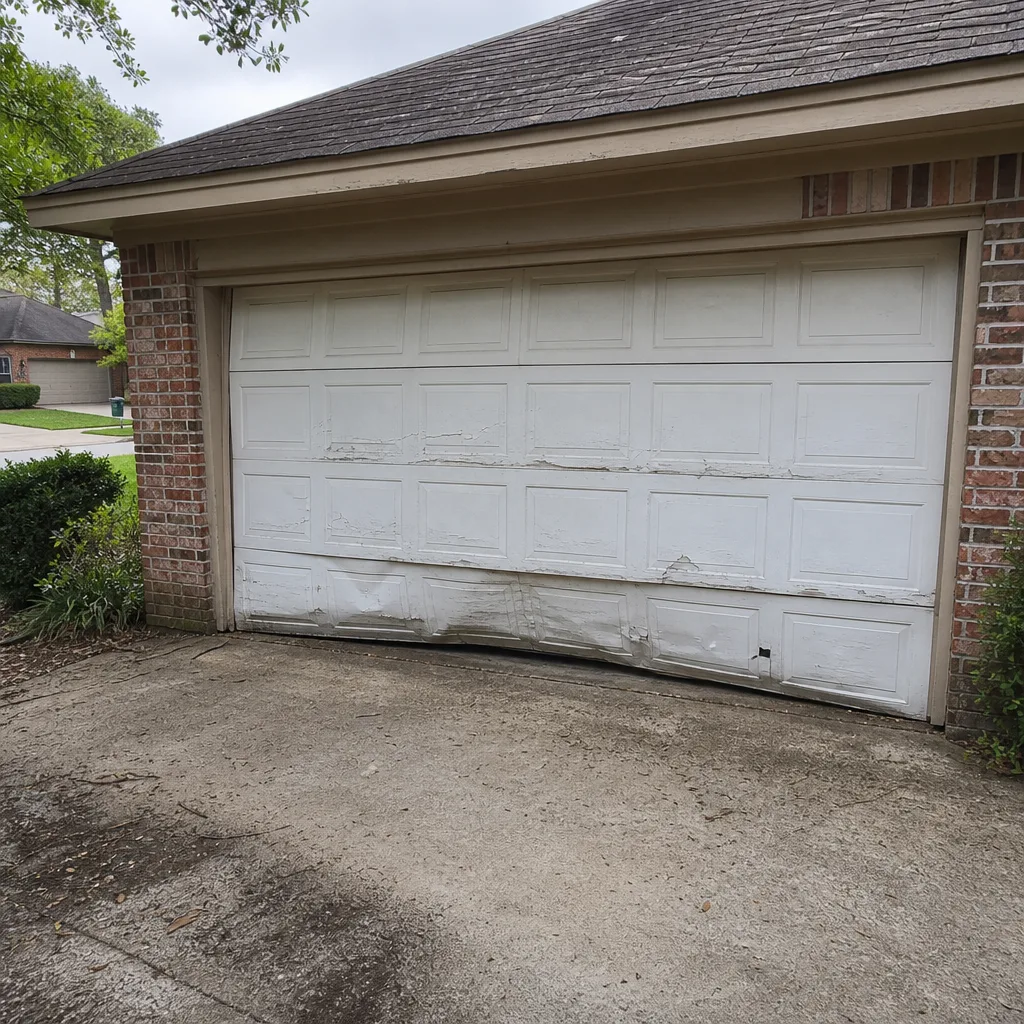 Before
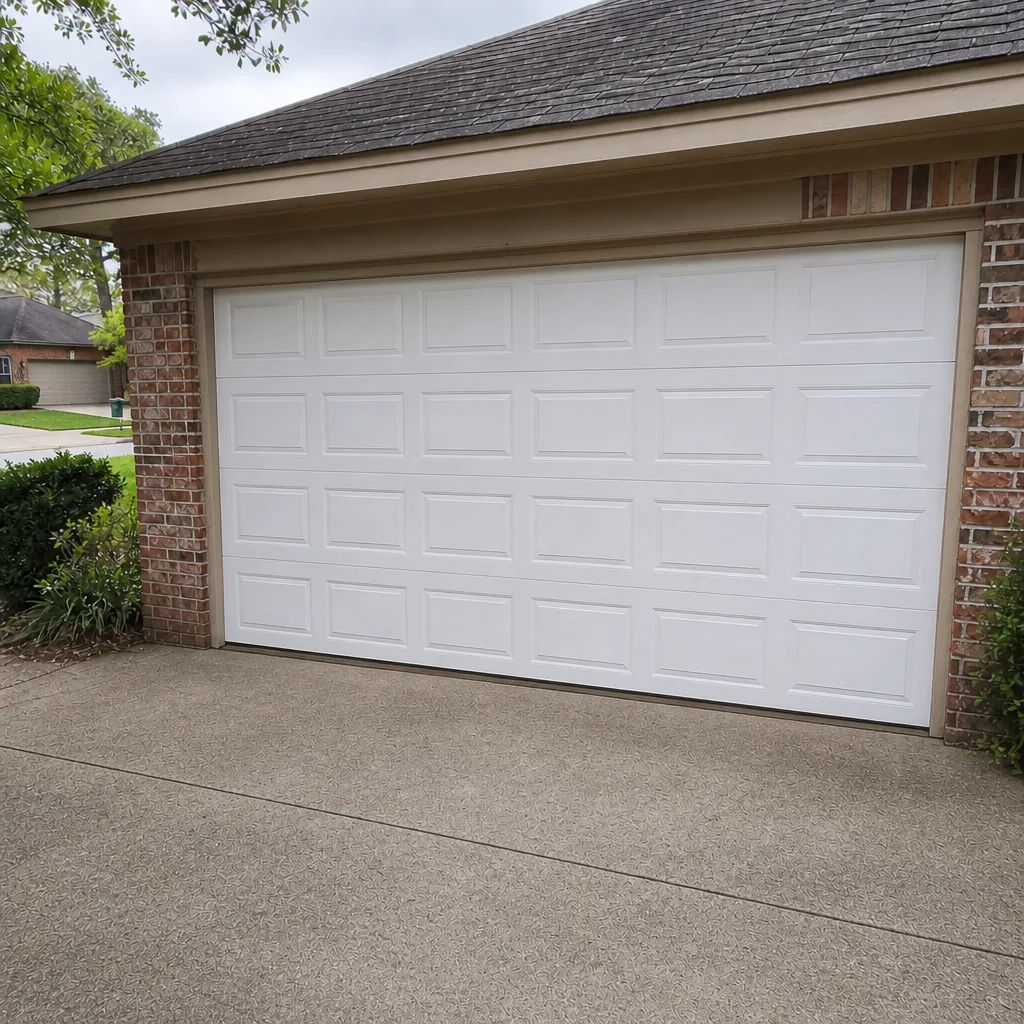 After
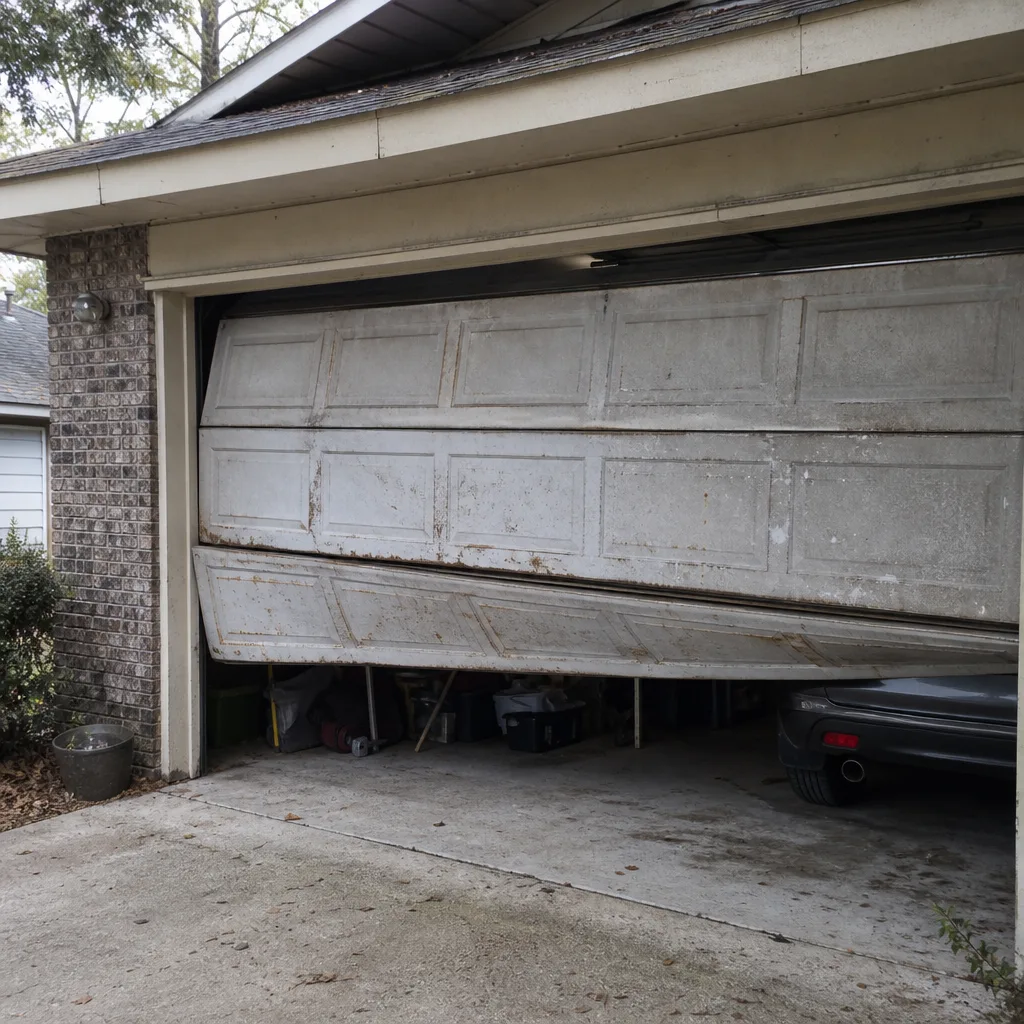 Before
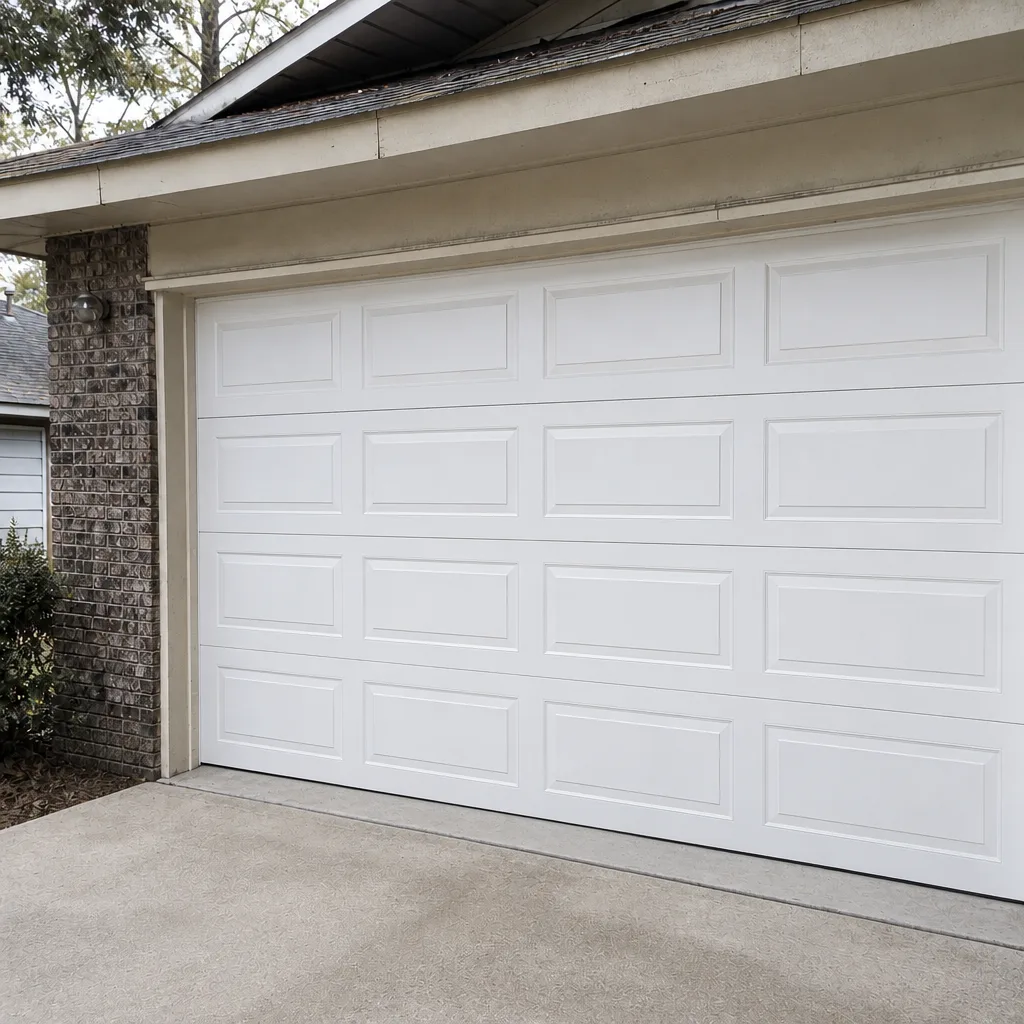 After
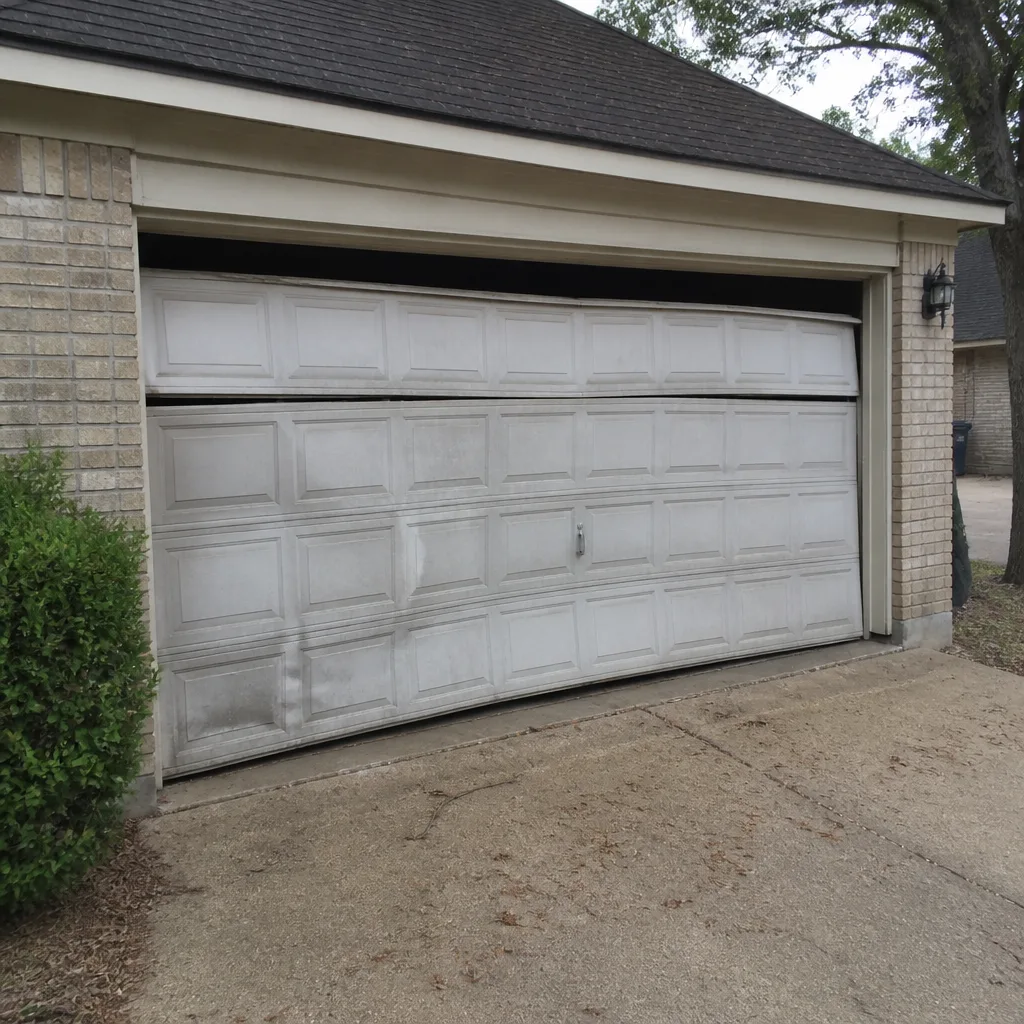 Before
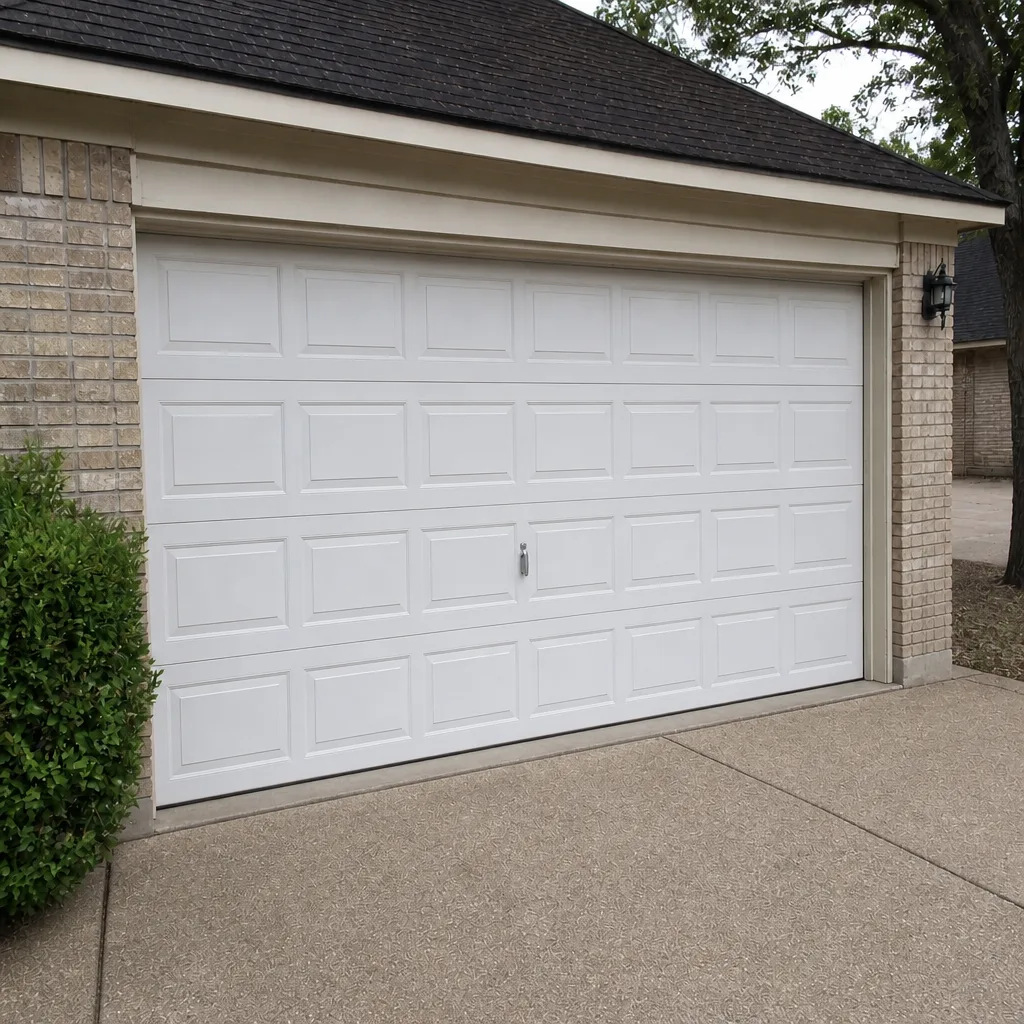 After
When to Call a Professional
Call a specialist the moment the door does any of the following: won’t lift or hangs crooked, shows a frayed cable, shows a cracked or broken torsion spring, drops when disengaged, reverses for no reason even after cleaning the sensors, or shows a panel or hinge separating from the door. Those are the signs the door should be treated as unsafe to run until it’s inspected. Also call if the door has been running heavier on cold mornings for more than a week, if the opener needs two presses, or if any warning sign has changed or gotten worse. The balance test result matters too: an imbalanced door is a call, not a wait. The Woodlands Garage Door Repair Co offers free estimates in The Woodlands, and our technicians have up to 8 years of experience with torsion and extension spring systems. We can work with your insurer if a repair involves one. To get a written price before any work starts, call (855) 812-9394. We answer 24/7. For scheduled visits, fast dispatch from 7am to 7pm, Sunday through Friday.
Frequently Asked Questions
A snapped torsion spring is the most serious warning sign, followed closely by a frayed cable and a door that free-falls when disengaged. Any of those means stop using the door and call a specialist. A broken spring can make the door drop, and a failing cable can snap under tension.
A spring about to break usually shows one of three signs: a visible gap or bright stress line in the coil, a loud pop or bang as the door starts to move, or a balance test that fails in one direction. If any of those show up, have the door inspected before running it again. A torsion spring can carry a hidden fatigue until the moment it lets go, so the balance test is your best early detection.
Yes, you can lubricate the hinges, rollers, and the door’s moving joints with a white lithium grease or a silicone-based lubricant. Don’t lubricate the track, the spring, or the cables; grease on the track attracts grit that wears the rollers, and the spring and cables should stay dry and untouched. If you’re unsure whether the track is worn or just dry, have a technician look before you add grease.
A cold-weather slowdown usually points to thickened lubricant on the hinges and rollers or a fatigued spring. Cold stiffens the grease and makes the door run heavier. If the door only slows on the first cold mornings and runs normally later in the day, it’s likely a seasonal symptom; if it slows every time regardless of temperature, have the spring and opener checked.
No. Our price is quoted and agreed before any work starts. We look at the door, tell you exactly what’s wrong, and give you a written price for the repair. The written estimate sets the final price. If we find something during the job that changes the scope, we’ll stop and talk to you before doing the work. When you’re ready for a free estimate, call (855) 812-9394; estimates are free.
Test the mechanical reverse once a month, the same day you run the balance test. Place a roll of paper towels under the closing door; a healthy door reverses on contact. Humidity and seasonal movement in The Woodlands can shift the opener’s settings over time, so a monthly test is a good habit.
The Bottom Line
Garage door failures almost always announce themselves before they happen. A grinding roller, a cold-morning slowdown, a balance test that drifts, a two-press opener, a slowing door on a cool morning: those are warnings, and the door is asking for a service call before it becomes an emergency. The trick is knowing which warning means “call this week” and which means “stop using the door and call today.” Get that triage right, run the balance test monthly, listen for changes in sound, and you’ll take your door’s life out of the emergency column. If any sign on the serious list shows up in your The Woodlands garage, call us. Garage doors are all we do, and we’ll diagnose the door before we quote the repair. For a free estimate, call (855) 812-9394. We answer 24/7. Fast dispatch from 7am to 7pm, Sunday through Friday. The written price we quote is the price you pay, and it’s agreed before any work starts.
Written by the team at The Woodlands Garage Door Repair Co.